
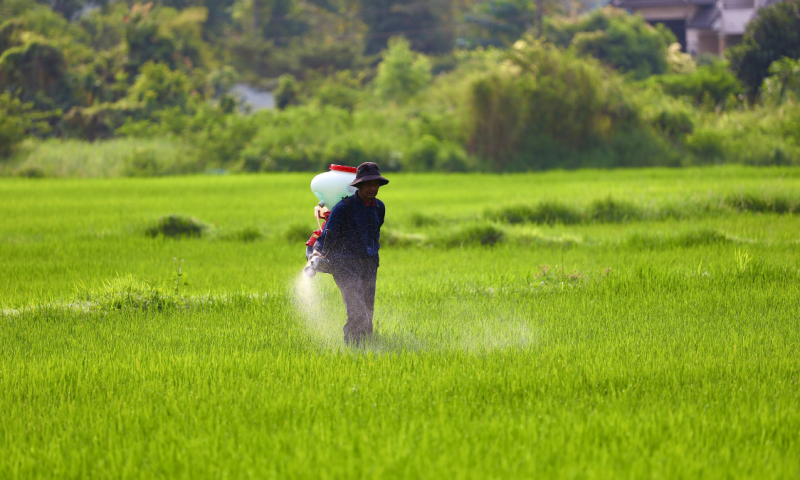
India’s fertiliser trade is increasingly linked to the Persian Gulf region, with imports of nitrogen-based fertilisers valued at nearly $11 billion, highlighting a significant dependency amid ongoing geopolitical uncertainties.
The Gulf region, home to some of the world’s largest fertiliser producers, remains a key supplier of urea, ammonia, and other nitrogen inputs critical for India’s agricultural sector. This heavy reliance comes at a time when tensions in West Asia are raising concerns over supply chain disruptions, freight risks, and price volatility.
India, one of the world’s largest consumers of fertilisers, depends on imports to bridge the gap between domestic production and demand. Nitrogen fertilisers, in particular, play a vital role in supporting crop yields, making consistent supply essential for food security.
Industry analysts warn that any prolonged disruption in the Persian Gulf could have a cascading impact on fertiliser availability and pricing in India, especially during peak agricultural seasons. Shipping constraints and rising insurance premiums in conflict-prone zones are already adding to the cost pressures.
To mitigate risks, the government has been exploring diversification of sourcing, boosting domestic production capacity, and securing long-term supply agreements with alternative partners. However, the scale and cost advantages offered by Gulf producers make a complete shift challenging in the near term.
As geopolitical risks persist, India’s fertiliser strategy is expected to focus on balancing import dependence with greater self-reliance, ensuring stability in supply while managing exposure to external shocks.