
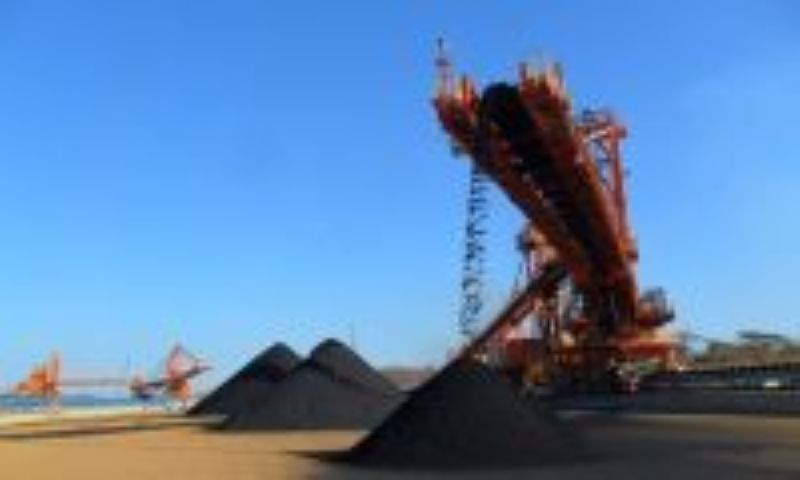
Coal freight rates have declined for the first time since the outbreak of the 2026 Iran war, even as volatility continues to grip global energy and shipping markets.
The softening in coal freight comes after weeks of sharp increases triggered by disruptions in the Strait of Hormuz, a critical artery for global energy trade. The conflict, which began in late February, has severely impacted shipping routes, with tanker traffic plunging and insurance costs surging, leading to elevated freight rates across commodities.
However, recent easing in freight rates suggests a temporary correction, as market participants adopt a cautious “wait-and-see” approach amid fluctuating demand and uncertainty over the conflict’s trajectory. Analysts note that while fuel and shipping costs remain high, softer cargo movements and intermittent optimism around diplomatic developments have begun to ease pressure on freight pricing.
Despite this dip, the broader outlook remains highly unstable. The ongoing conflict has already driven energy supply disruptions on an unprecedented scale, pushing oil prices above $100 per barrel and tightening global logistics capacity.
At the same time, coal prices themselves remain elevated—hovering near multi-month highs—as countries increasingly turn to coal amid shortages in oil and gas supplies.
Industry experts caution that the drop in coal freight rates may be short-lived. Continued geopolitical risks, restricted vessel movement, and shifting energy demand patterns are expected to keep freight markets volatile in the near term, with any escalation in the Middle East likely to trigger fresh rate spikes.