
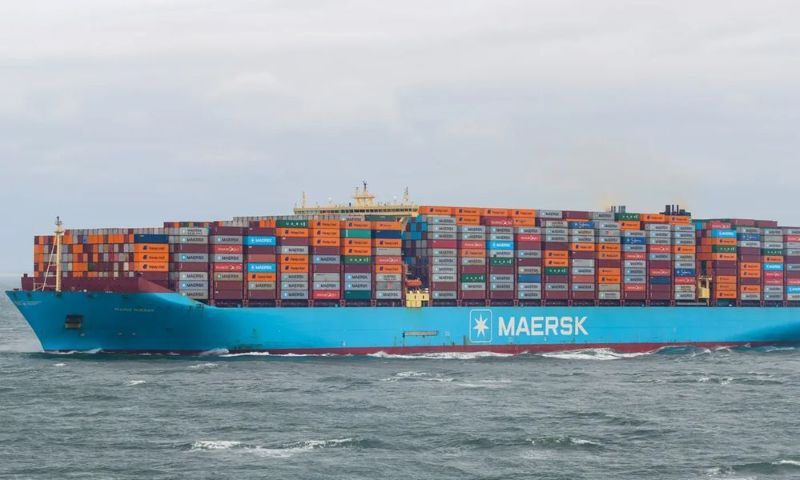
Maersk has announced a $140 inland fuel surcharge across the United States, citing rising fuel costs and ongoing volatility in inland transportation expenses.
The surcharge will apply to inland haulage services, impacting shipments that rely on trucking and rail movements within the US. The move reflects increasing pressure on logistics providers to manage fluctuating fuel prices while maintaining service reliability.
According to industry sources, inland transportation costs have remained elevated due to a combination of fuel price swings, capacity constraints, and operational disruptions. The new fee is expected to be passed on to shippers, potentially increasing overall logistics costs for cargo owners.
Maersk indicated that the surcharge is part of its broader effort to align pricing with market conditions and ensure sustainable operations. The company continues to monitor fuel trends and may adjust the fee based on future developments.
Shippers and freight forwarders are likely to reassess their supply chain strategies in response to the additional cost, particularly for long-haul inland movements. Some may explore optimization measures, including route planning and modal shifts, to mitigate the impact.
The development underscores the growing influence of inland logistics costs on global supply chains, as companies navigate a complex environment marked by fuel volatility and evolving transportation dynamics.