
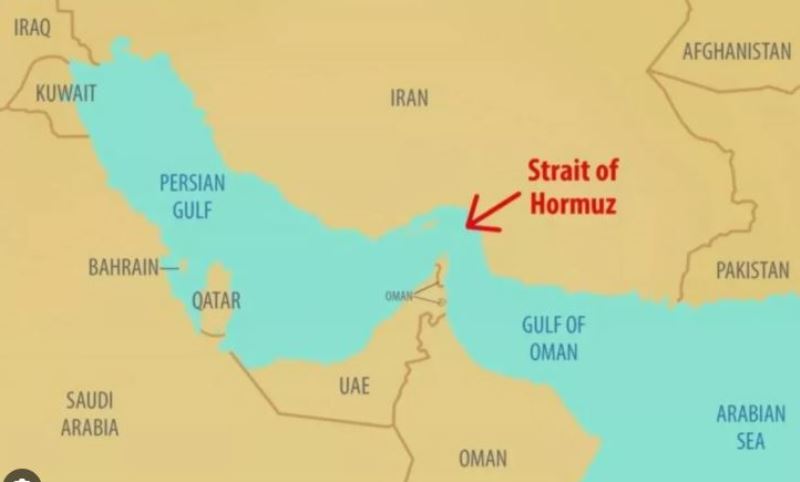
India needs to diversify its trade routes and accelerate the development of alternative connectivity corridors, including the India-Middle East-Europe Economic Corridor (IMEC) and the Indo-Pacific route through the Malacca Strait, to reduce its dependence on the Strait of Hormuz, according to EY’s Economy Watch report for May.
The report said mounting pressures arising from the West Asia crisis and the changing global trade and economic order could compel India to recast its growth strategy to safeguard its medium- and long-term economic trajectory.
It noted that Prime Minister Narendra Modi had earlier this month called for austerity measures, including reducing gold imports, curbing foreign travel and lowering domestic fuel consumption.
According to EY, India must prepare for unanticipated economic shocks and vulnerabilities by building strategic reserves of crude oil, LPG, fertilisers, processed and unprocessed rare earth materials, medicines and critical medical equipment.
The report also recommended the creation of dual-use infrastructure to minimise the impact of potential nuclear and biological threats and urged a re-strategising of sustainable current account and fiscal balance targets.
Among the key policy measures suggested were accelerated adoption of green and nuclear energy, including Thorium-based power generation, greater focus on indigenous technologies and a sharper shift towards electric vehicles.
EY said India’s recent diversification of petroleum import sources has already helped reduce some dependence on the Strait of Hormuz. However, it stressed the need for further diversification and faster development of alternative trade corridors such as IMEC and the Indo-Pacific corridor covering the Malacca Strait.
“In view of the West Asia crisis and other unfavourable economic developments, a substantial reorientation of policies may be needed to keep the Indian economy performing close to its potential,” the report said.
The report also called for faster exploitation of domestic oil discoveries and building larger reserves of crude and primary commodities where India’s import dependence remains high.
Oil prices have surged nearly 50 per cent, while traffic through the Strait of Hormuz has reportedly declined by more than 90 per cent from pre-conflict levels after Iran blocked the strategic waterway following coordinated US and Israeli strikes on February 28.
India imports around 88 per cent of its crude oil requirement and nearly half of its natural gas demand, with a significant portion transported through the Strait of Hormuz.