
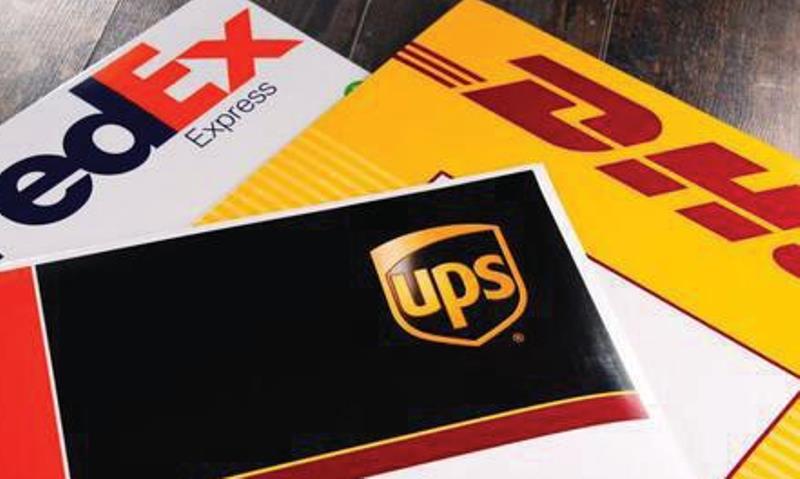
Global parcel delivery giants DHL, FedEx and UPS have urged the European Union to phase in its upcoming low-value parcel duty regulations, warning that rushed implementation could trigger severe congestion at borders and disrupt supply chains across the region.
The companies raised concerns over the EU’s new customs framework for low-value imports, particularly parcels arriving from non-EU e-commerce platforms such as Shein and Temu. Under the planned rules, a €3 flat-rate duty on low-value shipments is scheduled to take effect from July 1, 2026.
In a joint letter addressed to EU finance ministers, executives from the three express carriers said they support the introduction of the flat-rate duty but requested a delay in implementing additional data requirements and operational procedures that they argue are not yet ready for deployment.
According to the companies, the complexity of the new customs data obligations and the short implementation timeline create a significant risk of shipments being delayed at European borders. They warned that such disruptions could impact industrial production, create bottlenecks across logistics networks and even affect the movement of medical supplies.
The carriers said a “stable and workable legal framework” is essential before the broader customs changes are enforced. Industry observers note that the new parcel duty forms part of the EU’s wider customs reform agenda aimed at tightening oversight of rapidly growing low-cost cross-border e-commerce imports.
The concerns come at a time when European logistics operators are already navigating volatile global trade conditions, geopolitical uncertainties and increasing customs compliance demands. Analysts say any disruption at major EU gateways could have ripple effects across retail, manufacturing and healthcare supply chains.