
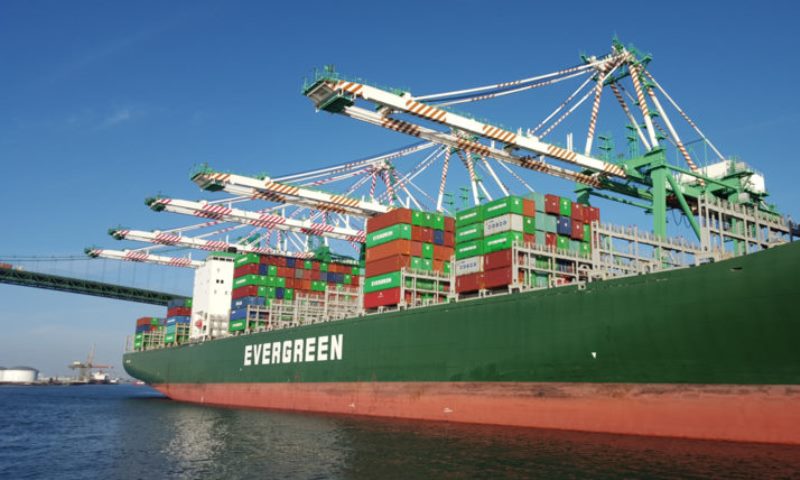
Evergreen Marine and TS Lines have entered into a slot swap agreement covering Asia–Japan shipping services, further strengthening their regional network cooperation and operational flexibility.
The arrangement is expected to allow both carriers to optimise vessel capacity utilisation, improve service coverage, and enhance schedule reliability across key intra-Asia trade routes linking Japan with major Asian ports.
Industry analysts said slot swap agreements have become increasingly important for container shipping lines seeking to improve network efficiency while managing operational costs and fluctuating cargo demand.
The partnership is also expected to provide customers with expanded port connectivity, more flexible cargo options, and improved transit coverage within the Asia–Japan trade corridor.
Shipping experts noted that intra-Asia trade remains one of the fastest-growing segments in global container shipping, driven by regional manufacturing activity, consumer demand, and integrated supply chains across East Asia.
Evergreen and TS Lines have both been expanding their regional service networks through strategic cooperation agreements, fleet enhancements, and operational partnerships aimed at strengthening competitiveness in the intra-Asia market.
The latest collaboration comes amid continued adjustments by carriers to service networks and capacity deployment as the industry responds to changing trade flows, geopolitical developments, and evolving customer requirements.
Market observers expect regional partnerships and vessel-sharing arrangements to remain a key strategy for shipping lines looking to improve efficiency and maintain stable service offerings across major Asian trade lanes.