
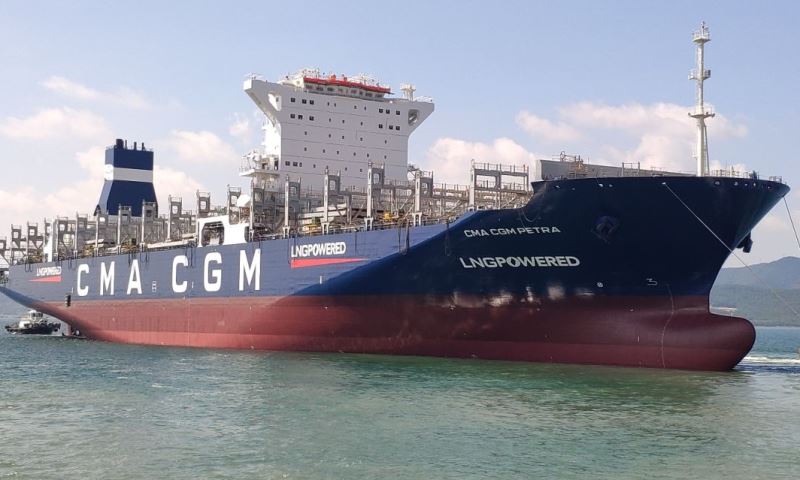
CMA CGM has announced a new freight surcharge of $900 per TEU on cargo moving from Asia to Mediterranean destinations, effective from 15 June 2026.
The carrier said the surcharge will apply across key trade lanes linking major Asian export hubs with Mediterranean ports as shipping lines continue to respond to changing market conditions, operational costs, and ongoing supply chain disruptions.
Industry sources noted that the latest rate increase comes amid continued volatility in global container shipping markets driven by geopolitical tensions, vessel capacity adjustments, congestion concerns, and higher operational expenses.
Shipping analysts said carriers operating on Asia–Europe and Mediterranean routes have been introducing various surcharges and general rate increases in recent months as freight demand remains uneven and rerouting costs continue to affect network operations.
The additional surcharge is expected to impact exporters and importers moving a wide range of goods, including consumer products, industrial cargo, electronics, textiles, and automotive components between Asia and Mediterranean markets.
Market participants are also closely monitoring developments in West Asia and key maritime chokepoints, which have contributed to longer transit times, elevated insurance premiums, and fluctuating freight rates across major east-west trade routes.
CMA CGM, one of the world’s leading container shipping operators, has continued to adjust its pricing strategies and service networks in response to evolving global trade dynamics and operational challenges.
Industry experts expect freight market volatility to persist in the near term as shipping lines balance capacity deployment, fuel costs, and geopolitical risks across international container trade routes.