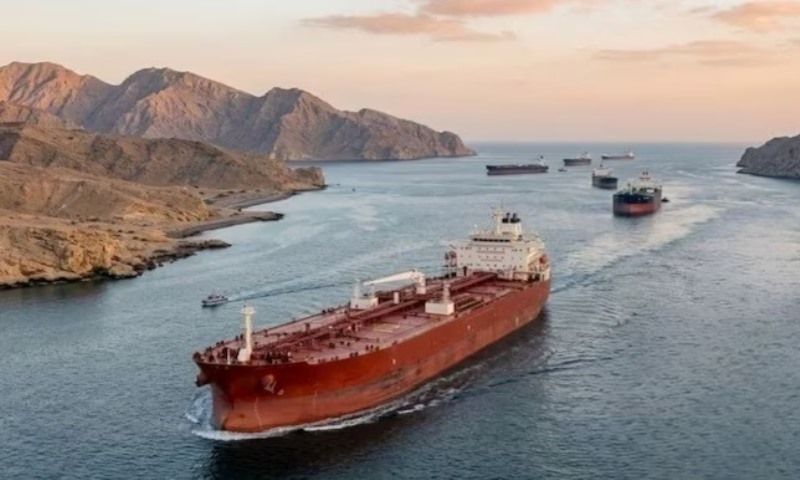
The global shipping industry remains cautious despite recent indications of a potential easing of tensions between the United States and Iran, with maritime stakeholders warning that the security situation in and around the Strait of Hormuz remains highly uncertain.
According to BIMCO, the world’s largest shipping association, shipowners should continue exercising extreme caution before resuming normal operations through the strategic waterway, which handles a significant share of global oil and gas trade.
Jakob Larsen, Chief Safety & Security Officer at BIMCO, said statements from the US and Iran regarding the reopening of maritime traffic remain unclear and fail to address critical operational concerns, including timelines, designated safe routes and security arrangements.
“The security situation for the shipping industry remains volatile, and we still consider it very risky for ships to commence transits at this point,” Larsen said. He urged shipowners to maintain comprehensive risk assessments and called on all parties involved to prioritise the safety of seafarers.
Larsen noted that a coordinated framework led by a neutral international body such as the United Nations would provide greater confidence to the industry. Such a framework, he said, should establish safe shipping corridors, traffic separation measures, reporting protocols, naval protection arrangements and emergency response mechanisms.
He added that while vessels stranded inside the Persian Gulf are expected to seek departure as soon as conditions permit, any resumption of traffic must be carefully coordinated due to the narrow and congested nature of the Strait of Hormuz.
A key concern remains the potential threat posed by naval mines. Larsen warned that mine-clearance efforts and the establishment of verified mine-free routes would be essential before shipping activity can safely return to pre-conflict levels. He stressed that credible security assurances from all sides are necessary to restore industry confidence.
Meanwhile, BIMCO Chief Shipping Analyst Niels Rasmussen said a substantial backlog of vessels remains inside the Persian Gulf. Citing data from maritime analytics firm Kpler, Rasmussen said approximately 600 ships, including around 250 tankers, are currently awaiting passage.
“We expect it will take several weeks for all ships to leave the Persian Gulf,” Rasmussen said, adding that although vessel movements through the Strait increased during the past week, there is currently no evidence that recent diplomatic announcements have materially changed shipping patterns.
Industry observers expect freight markets, tanker availability and regional supply chains to remain under pressure until maritime traffic can resume safely and consistently through one of the world’s most strategically important shipping chokepoints.
