
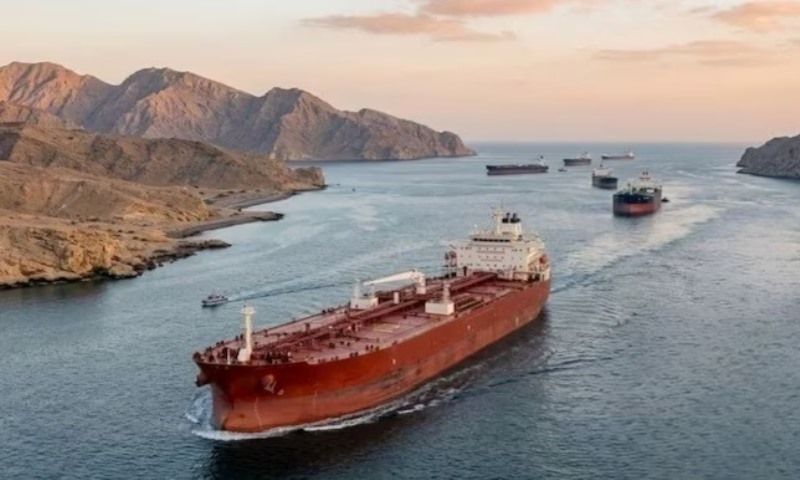
The proposed peace agreement between the United States and Iran, coupled with plans to reopen the Strait of Hormuz, is expected to provide significant relief to India’s shipping and logistics industry after months of disruption caused by the conflict in West Asia. The development has raised hopes of smoother cargo movement, lower freight costs and improved supply chain efficiency for Indian exporters and importers.
The Strait of Hormuz, one of the world’s most critical maritime chokepoints, handles nearly 20 per cent of global oil and liquefied natural gas (LNG) trade. Shipping activity through the route had slowed sharply during the conflict, leading to vessel shortages, higher insurance premiums, longer transit times and elevated freight rates. Industry stakeholders say the restoration of normal traffic could gradually reverse these pressures.
According to the emerging framework, Washington and Tehran have agreed to halt hostilities and reopen the strategic waterway, with a formal signing expected later this week. The announcement triggered a sharp decline in global oil prices, reflecting market expectations of improved energy flows and reduced geopolitical risk.
For India, which relies heavily on the Gulf region for crude oil, LNG and containerised trade, the reopening of Hormuz could reduce transportation costs and improve schedule reliability. Shipping executives noted that congestion around the Gulf may ease as vessels stranded during the conflict begin moving again, helping clear cargo backlogs and restore capacity across key trade lanes.
The first signs of recovery are already emerging. An Indian LNG tanker chartered by Petronet LNG successfully crossed the Strait of Hormuz on Monday, marking one of the earliest indications that maritime traffic is beginning to resume through the corridor.
However, industry experts caution that a full return to normal operations may take time. Several shipping companies remain wary of potential security risks, including unexploded naval mines and lingering geopolitical tensions. More than 100 tankers are reportedly still waiting in the Gulf region, and analysts estimate it could take over a week to clear the backlog once unrestricted navigation resumes.
Despite these challenges, the prospect of a lasting peace agreement has boosted optimism across global shipping and energy markets. For India, a stable Strait of Hormuz would not only support lower logistics costs and smoother trade flows but could also help moderate energy import expenses, providing a broader economic benefit at a time of rising global uncertainty.