
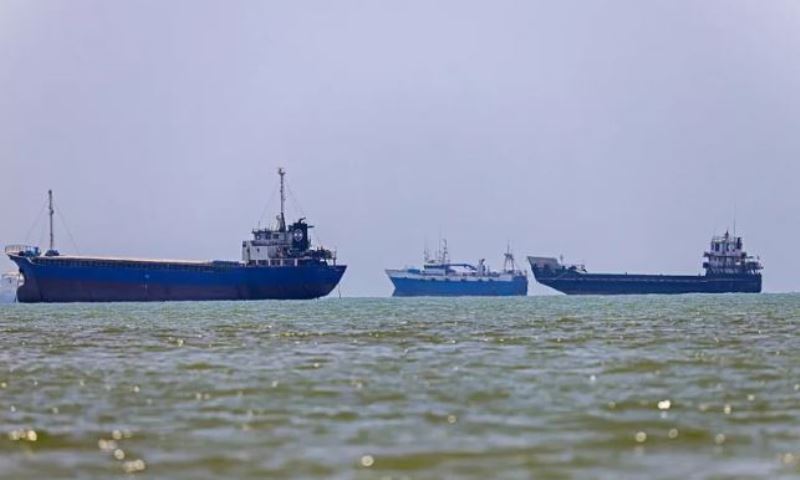
Shipping activity through the Strait of Hormuz is showing early signs of recovery after months of disruption caused by regional conflict, according to market intelligence from S&P Global Commodity Insights.
Benjamin Tang, Director and Global Head of Liquid Bulk, Commodities at Sea at S&P Global Commodity Insights, said vessel movements through the strategic oil chokepoint have risen to around 30 transits per day, up from just 12 during the conflict period. However, volumes remain significantly below the roughly 135 daily transits recorded before the war.
The Strait of Hormuz, which handles a substantial share of global crude oil and LNG exports, has been closely watched by energy markets as geopolitical tensions disrupted shipping flows and raised concerns over supply security.
Indian refiners have emerged among the biggest beneficiaries of supply diversification efforts, successfully increasing purchases from Russia, Brazil, West Africa and the United States to offset disruptions in Gulf crude supplies.
Signs of normalization are also becoming visible in tanker and LNG markets. Ship-tracking data indicates that several stranded supertankers have resumed transit through the strait, while multiple Qatar-linked LNG carriers have re-entered the waterway, suggesting a gradual restart of Gulf gas exports.
Further supporting market sentiment, negotiations between the United States and Iran have advanced, with both sides reportedly agreeing on a framework aimed at reaching a broader agreement within 60 days. The U.S. decision to grant a sanctions waiver until August has eased concerns over global oil and LNG supply availability.
Analysts expect additional crude cargoes delayed in the Gulf during the conflict to begin moving in the coming weeks. The easing of sanctions restrictions is also expected to encourage more Iranian-linked tankers to return to export routes, potentially boosting regional oil flows and placing further downward pressure on global energy prices.
While the recovery signals improving confidence among shipowners and traders, industry participants caution that a full return to pre-war traffic levels in the Strait of Hormuz will depend on sustained geopolitical stability and the successful implementation of ongoing diplomatic efforts.