
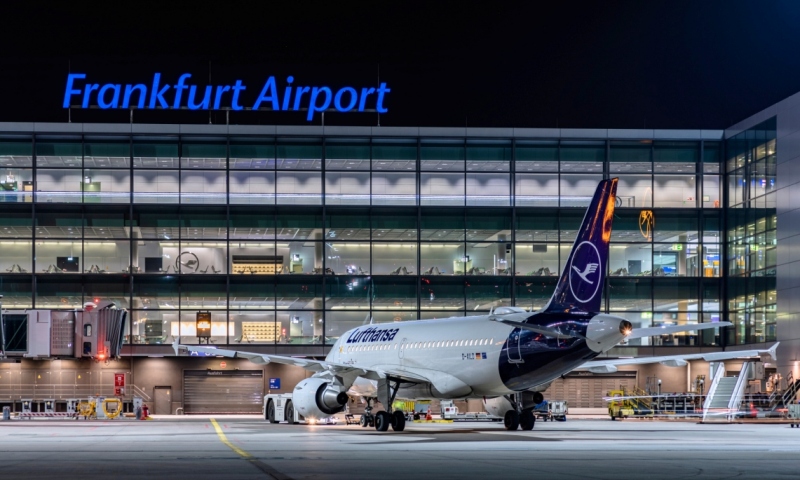
Frankfurt Airport, Europe’s leading air freight hub, experienced pressure on cargo volumes as ongoing geopolitical tensions in the Middle East and labour strikes disrupted global supply chains and airport operations during the reporting period. The combined impact affected freight flows, flight schedules, and cargo handling activities, highlighting the vulnerability of international air logistics to external disruptions.
The conflict in the Middle East resulted in airlines rerouting flights to avoid restricted airspace, increasing flight times, fuel consumption, and operating costs. Several carriers also adjusted or suspended services to affected destinations, reducing available cargo capacity and delaying shipments moving through Frankfurt’s extensive international network.
At the same time, labour strikes involving airport personnel and logistics workers created operational bottlenecks, leading to delays in cargo processing, aircraft handling, and ground operations. Although contingency measures helped maintain essential services, the industrial action affected overall efficiency and contributed to lower cargo throughput during the period.
Despite these challenges, Frankfurt Airport continued to benefit from resilient demand in sectors such as pharmaceuticals, e-commerce, automotive components, and high-value industrial goods. Cargo operators and freight forwarders worked closely with airlines and airport authorities to minimise disruptions by rescheduling shipments and optimising available capacity.
Airport operator Fraport noted that global economic uncertainty, geopolitical developments, and supply chain disruptions continue to influence air cargo demand. However, Frankfurt remains a key European logistics gateway, supported by its extensive airline network, modern cargo infrastructure, and strong connectivity to international markets.
Industry experts expect cargo volumes to recover as geopolitical conditions stabilise and labour disputes ease. In the meantime, logistics providers are continuing to strengthen operational resilience through route diversification, digital cargo management, and closer coordination across the air freight supply chain to ensure the reliable movement of goods.