
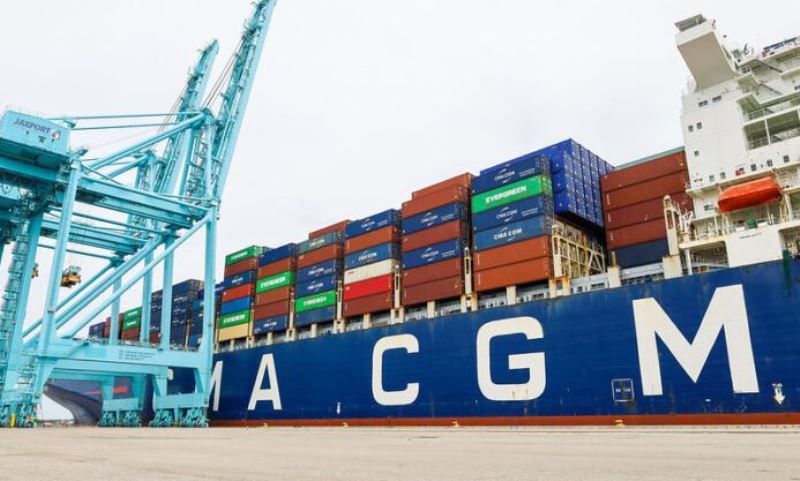
CMA CGM is set to strengthen its presence across the Middle East and North Africa (MENA) through the acquisition of 100% of Lebanon-based Fattal Group, a move that expands the shipping giant’s reach further into logistics, warehousing and distribution.
The transaction, announced in April 2026, is being pursued by CMA CGM and its affiliates and is expected to be completed in the third quarter of 2026, subject to regulatory approvals. Fattal operates across multiple MENA markets, with capabilities spanning consumer goods, pharmaceuticals, cosmetics, warehousing, promotion and distribution.
The acquisition represents another step in CMA CGM’s strategy to build an integrated, end-to-end logistics platform. Through its logistics arm CEVA Logistics, the group has been expanding beyond ocean freight into inland logistics and supply-chain services.
For Lebanon, the investment also signals continued confidence in the country’s role as a regional commercial and distribution hub. By combining Fattal’s established regional distribution network with CMA CGM’s global transport and logistics capabilities, the deal could strengthen connectivity between international supply chains and final markets across the region.
The acquisition highlights a broader transformation in global logistics: competitive advantage is increasingly built not only around transportation capacity, but also around control of distribution, proximity to customers, supply-chain resilience and access to end markets.