
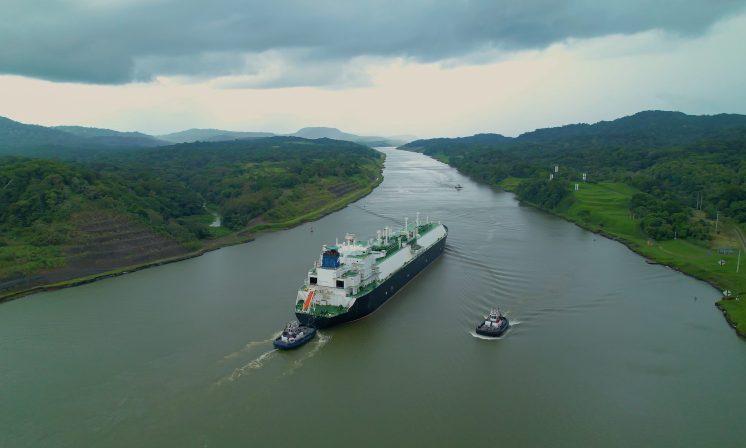
A container ship has reportedly paid around US$4 million to secure priority passage through the Panama Canal, highlighting the growing value of transit slots as congestion and water-related restrictions put pressure on the key maritime gateway.
The vessel, identified as the 10,100-TEU Seaspan Benefactor, secured the priority slot through the Canal’s auction system, allowing it to bypass vessels waiting in the regular queue. At the time, some ships were facing waiting periods of around 10 days for transit.
The reported payment was more than double the average auction price recorded during the preceding seven days, underlining the premium shippers are willing to pay to avoid lengthy delays. The Panama Canal Authority has acknowledged that auction prices have risen sharply as global supply-and-demand patterns have changed.
The pressure on the canal is being driven by several factors. Increased demand has emerged as disruptions to other major maritime routes, particularly the Strait of Hormuz, have encouraged some energy and commodity flows to use alternative routes through the Panama Canal.
At the same time, lower-than-expected rainfall and the developing El Niño weather pattern are creating renewed concerns over water availability. The Canal Authority has reduced maximum vessel draft levels, meaning some ships may have to carry less cargo to comply with navigation restrictions.
Maintenance work at the locks is also contributing to capacity constraints, further tightening the availability of transit slots for larger vessels. The combination of higher demand and limited capacity has pushed auction prices significantly above normal levels.
The US$4 million payment is not a standard Panama Canal toll. Instead, it represents a market-driven auction price for priority access, with the cost determined by competition among vessels seeking limited transit opportunities.
For shipping lines, the surge in priority-transit costs adds another layer to voyage planning and operating expenses. Carriers may need to weigh the cost of securing faster passage against the financial impact of waiting in the queue or using longer alternative routes.
The development underscores the increasing importance of the Panama Canal as global trade routes are reshaped by geopolitical disruptions and climate-related water constraints. If congestion and water restrictions persist, higher transit costs could feed into freight rates and supply-chain expenses on affected trade lanes.