
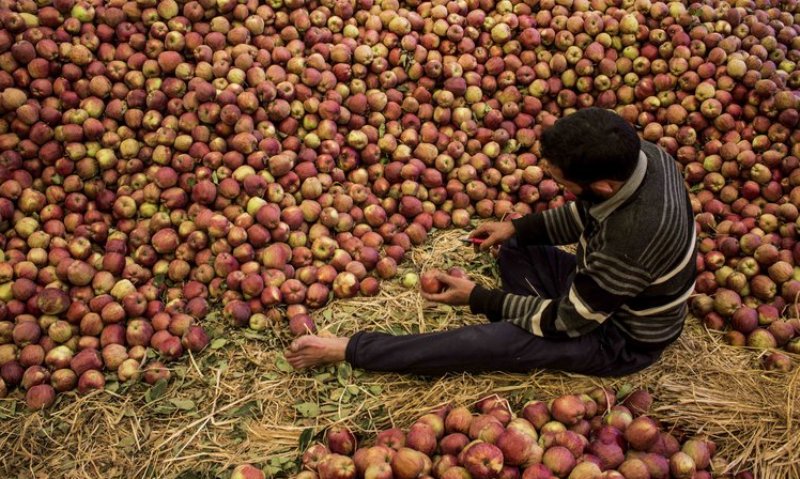
Apple prices in India have come under pressure amid expectations of increased imports from New Zealand, prompting concerns among domestic apple growers over the potential impact of greater foreign competition.
The issue has gained attention ahead of the proposed India–New Zealand Free Trade Agreement (FTA), which could provide improved market access for agricultural products, including apples, depending on the final terms of the agreement.
The All India Kisan Sabha (AIKS) has called for government intervention, raising concerns about the impact of imported apples on domestic growers. Farmers have sought measures to protect their livelihoods and ensure that increased imports do not result in sustained price pressure in the domestic market.
India has a significant apple-growing industry, with Jammu and Kashmir, Himachal Pradesh and Uttarakhand among the major producing regions. Apple cultivation supports a large network of farmers, traders, packers, transporters and other businesses.
New Zealand is an established exporter of apples and has developed strong supply chains for accessing international markets. Greater access to the Indian market could increase the availability of New Zealand apples for Indian consumers.
For domestic growers, the key concern is the potential effect of import competition on farm-gate prices, particularly during periods of high domestic supply. Farmers’ organisations have therefore sought appropriate safeguards and policy support as trade negotiations progress.
The India–New Zealand FTA is intended to expand bilateral trade and market access across sectors. The treatment of sensitive agricultural products, including the terms governing imports, will be important for stakeholders on both sides.
The government’s response to growers’ concerns and the final provisions of the trade agreement will determine how the apple sector is affected as bilateral agricultural trade expands.