
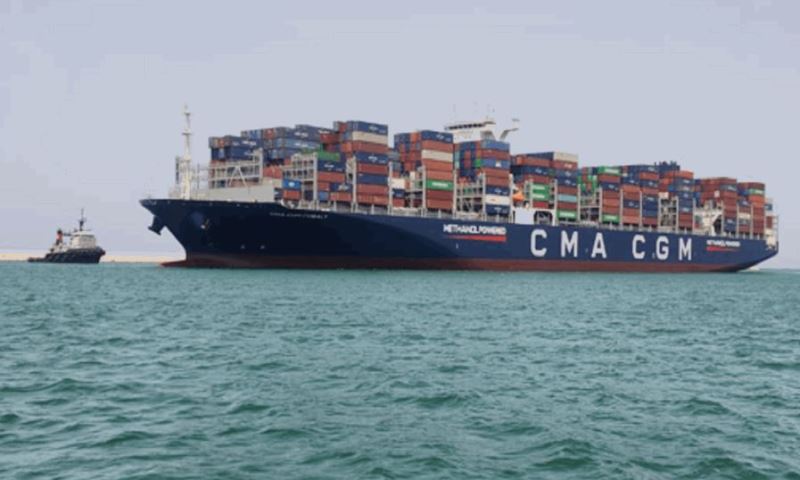
CMA CGM has updated its Peak Season Surcharges (PSS) on selected trade lanes across Africa and the Americas, as the carrier adjusts freight charges in response to changing market and operational conditions.
The revised surcharges apply to specified cargo movements involving African and American origins or destinations. Shippers and freight forwarders will need to factor the updated charges into their freight calculations and shipment planning for affected services.
Peak Season Surcharges are commonly applied by container shipping lines during periods of stronger demand or constrained capacity. Carriers may adjust these charges based on vessel utilisation, equipment availability, port conditions and other operational factors.
The Africa–Americas trades support a wide range of containerised cargo, including agricultural commodities, manufactured products, consumer goods, machinery and industrial materials. Efficient shipping connections are important for exporters and importers operating between the two regions.
For cargo owners, changes in PSS can affect overall logistics costs and landed prices. Freight forwarders are also expected to update customer quotations and contracts where applicable, based on the revised CMA CGM tariff structure.
The latest adjustments come as global container shipping networks continue to evolve. Changes in vessel deployment, trade volumes, port congestion and routing patterns can influence the amount of capacity available on individual services and contribute to fluctuations in freight rates.
Shippers with regular cargo movements on the affected routes will need to monitor the surcharge details, effective dates and applicable commodity or container categories. Early planning can help businesses assess the impact on transportation budgets and identify suitable shipping options.
The changes highlight the dynamic nature of container freight pricing, particularly during periods of elevated demand. Shipping lines continue to use surcharges alongside base freight rates to manage additional costs and changing operating conditions.
CMA CGM’s latest PSS adjustments underscore the need for exporters, importers and logistics providers to closely track carrier tariff announcements. Further changes to freight rates and surcharges may follow as market conditions across Africa and the Americas develop.