
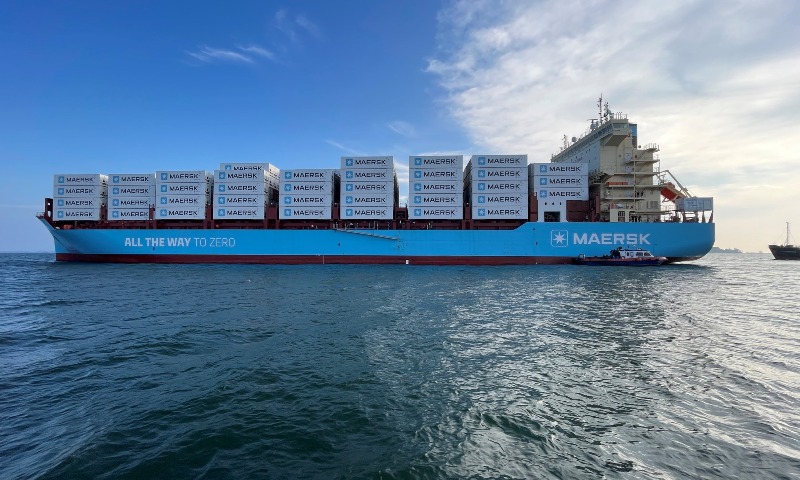
Maersk has revised its low water surcharge for cargo moving on the Rhine River, reflecting changes in inland waterway operating conditions and associated transportation costs.
The surcharge applies when low water levels on the Rhine restrict vessel capacity and require carriers to adjust cargo loading or operational arrangements. Such conditions can increase the cost of moving containers along the river, one of Europe’s key inland freight corridors.
The Rhine is an important link between major European ports and inland markets in Germany, Switzerland, France and the Benelux region. Water-level fluctuations can affect barge capacity and transit efficiency, particularly when vessels are unable to operate at normal drafts.
Maersk’s revised charges are intended to account for the additional costs associated with transporting cargo during periods of reduced water levels. Customers using Rhine barge services may therefore see changes in the applicable surcharge depending on the prevailing water conditions and the affected trade lanes.
Low water levels have periodically disrupted Rhine shipping in recent years, forcing operators to reduce vessel loads and, in some cases, seek alternative transport arrangements. The impact can extend to supply chains serving manufacturing, chemicals, automotive and other industries across inland Europe.
The latest adjustment highlights the continued sensitivity of European inland logistics to weather and water-level conditions. Shippers are likely to monitor Rhine levels closely as they plan container movements and assess potential changes in transportation costs.