
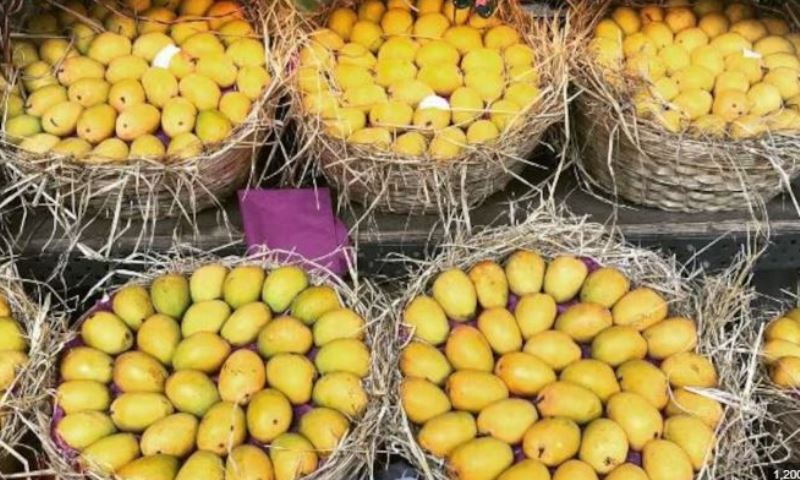
A hot water treatment technology developed by the ICAR–Indian Institute of Horticultural Research (ICAR-IIHR) is expected to strengthen export opportunities for South Indian mangoes by improving post-harvest treatment and helping meet international phytosanitary requirements.
The technology aims to address one of the key challenges facing fresh mango exports: ensuring that fruit meets the quarantine and quality standards of importing countries. Effective post-harvest treatment can help reduce pest risks, protect fruit quality and improve access to markets with stringent import regulations.
South India produces several commercially important mango varieties, supplying both domestic consumers and overseas markets. However, exporters must comply with destination-specific requirements relating to pest control, fruit quality, packaging and traceability before shipments can be cleared for entry.
ICAR-IIHR has standardised a treatment in which mature green mangoes are immersed in water at 55°C for 20 minutes, followed by a 30-minute dip in 5% salt water. The protocol is designed to control fruit fly infestation and anthracnose, a fungal disease that causes post-harvest spoilage. It also aims to prevent the internal breakdown previously observed in Alphonso mangoes under a longer hot water treatment.
The technology has undergone scale-up trials on Alphonso, Banganapalli and IIHR-developed hybrids Arka Uday and Arka Suprabhat. In a commercial trial, ICAR-IIHR supported the shipment of 1.2 tonnes of Banganapalli mangoes to Brunei by air cargo from Chennai on June 25, 2026. The overseas buyer reported that the fruit arrived in good condition, without fruit fly or anthracnose problems.
The institute said the treatment could reduce quarantine hot water processing time by one-third, subject to approval from the Directorate of Plant Protection, Quarantine and Storage (DPPQ&S). Until that approval is granted, its use for exports to destinations requiring mandatory quarantine treatment remains subject to applicable regulations.
By reducing post-harvest losses and combining control of two major problems in a single treatment, the technology could help improve mango quality, reduce handling time and strengthen the export prospects of South Indian growers and exporters. Wider adoption will depend on regulatory approval, processing capacity and compliance with importing countries’ phytosanitary requirements.