
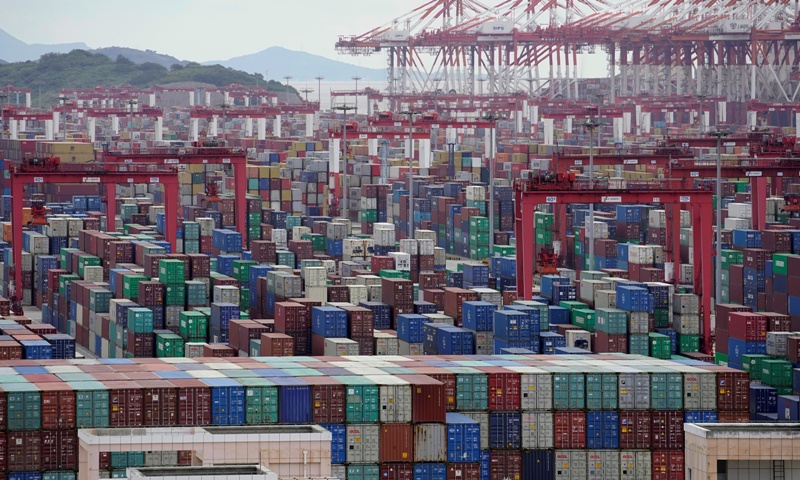
The ports of Shanghai in China and Melbourne in Australia have moved their green shipping corridor initiative into the implementation phase, setting a target to deploy container ships powered by low-carbon fuels on the Shanghai–Melbourne route by 2035.
The implementation plan was announced on October 21, 2026, with support from C40 Cities, a global network of cities working to address climate change. The initiative aims to reduce emissions across the maritime supply chain through cleaner marine fuels, shore power, improved voyage planning and digital integration between ports and ships.
Low-Carbon Container Ships by 2035
The partners plan to complete baseline assessments and feasibility studies before deploying one or more container ships using low-carbon fuels on the route. The programme is intended to encourage shipping lines, fuel producers and policymakers to invest in cleaner vessels and the infrastructure needed to support them.
Green methanol and biofuels are among the alternative fuels being considered to reduce dependence on conventional marine fuels.
Shanghai and Melbourne Expand Green Infrastructure
Shanghai aims to develop annual bunkering capacity of one million tonnes for green methanol and biofuels. The target is intended to strengthen the availability of alternative marine fuels for shipping operators.
The Port of Melbourne will assess the feasibility of alternative-fuel bunkering facilities and shore power infrastructure. Shore power allows vessels at berth to connect to electricity from land, reducing the need to run onboard engines while alongside.
The plan also includes improving fuel production, transportation and storage networks to establish a more reliable supply chain for lower-carbon shipping fuels.
Digital Systems to Improve Efficiency
The initiative will explore better data exchange between ports and ships, interoperable digital systems and voyage optimisation. These measures could improve coordination between vessel operators and terminals, reduce avoidable delays and help lower fuel consumption and emissions.
The partners aim to develop a practical model that could be replicated on other international shipping routes.
Major Industry Partners Join Initiative
The collaboration includes Shanghai International Port Group, COSCO Shipping Lines, Australian renewable-fuel developers HAMR Energy and ABEL Energy, and Chinese energy group Shenergy. The China Classification Society is also involved in work related to fuel standards and certification.
The green corridor builds on the partnership established between Shanghai and Melbourne in October 2025. China is Melbourne’s largest trading partner, accounting for approximately 50% of its container imports and 20% of its container exports.
Supporting Maritime Decarbonisation
The Shanghai–Melbourne initiative reflects growing efforts by ports, shipping companies and energy suppliers to develop commercially viable pathways for maritime decarbonisation.
Achieving the 2035 target will depend on the availability and cost of low-carbon fuels, suitable vessels, bunkering infrastructure and sustained cooperation across the supply chain. If successful, the corridor could provide a model for expanding cleaner container shipping between Australia and Asia.