
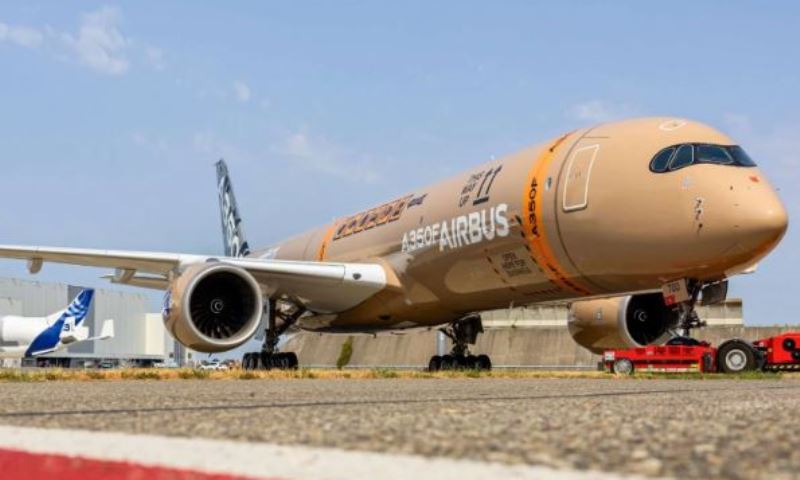
Airbus has raised its long-term forecast for the global freighter fleet, projecting a 46% increase by 2045 as airlines and cargo operators prepare for rising demand and the replacement of ageing aircraft.
According to the company’s 2026 Cargo Global Market Forecast, the worldwide fleet of dedicated freighter aircraft is expected to grow from 2,360 aircraft in 2026 to 3,460 by 2045. The latest projection is higher than Airbus’ previous forecast of 3,420 freighters by 2044.
The European aircraft manufacturer estimates that the industry will require 2,670 additional freighters over the next two decades. Of these, approximately 1,580 aircraft will replace older models, while 1,090 will support fleet expansion and growing cargo demand.
Passenger-to-freighter conversions are expected to play a major role in meeting future requirements. Airbus forecasts that 1,700 aircraft will be converted from passenger planes, while 970 will be newly manufactured freighters.
By aircraft category, demand is expected to include 1,140 single-aisle freighters, 860 mid-size widebody aircraft and 670 large widebody freighters.
Airbus projects global air cargo traffic to grow at an average annual rate of 3.2% through 2045, slightly below its previous estimate of 3.3%. The company expects long-term trade growth, e-commerce, high-technology shipments and the use of air freight as an alternative to maritime transport to support the market.
Asia-Pacific and North America are expected to account for the largest share of future freighter demand. Airbus estimates that North America will require 925 additional freighters, while Asia-Pacific will need 850 over the forecast period.
Despite challenges such as high fuel prices, geopolitical tensions and supply-chain disruptions, air cargo continues to play a critical role in transporting high-value and time-sensitive goods.
The revised outlook highlights the industry’s need to modernise ageing fleets, expand cargo capacity and improve operational efficiency as global supply chains evolve.