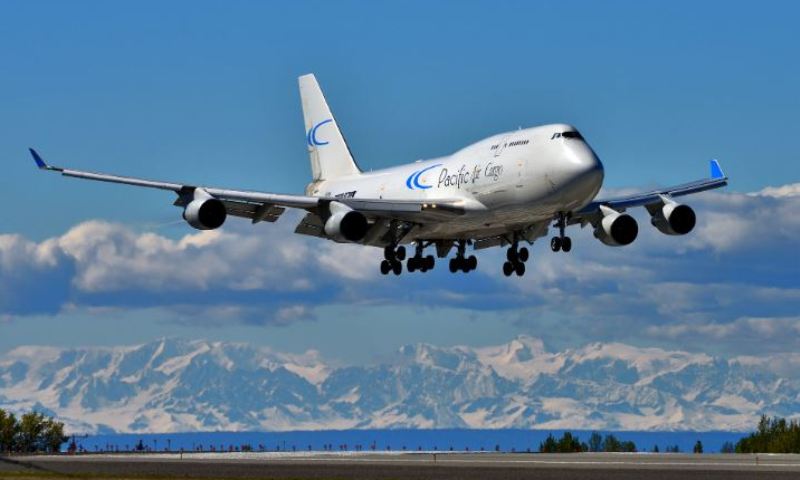
The ongoing Iran conflict is placing significantly greater strain on the global air cargo sector than on ocean shipping, according to analysis by Xeneta, as capacity disruptions and soaring fuel costs reshape logistics dynamics.
Industry data shows that air freight operations have been directly impacted by widespread airspace closures and security risks across the Middle East, leading to a sharp reduction in available cargo capacity. At the same time, an oil price shock linked to the conflict has nearly doubled jet fuel costs, placing additional financial pressure on airlines.
As a result, global air cargo rates have surged to multi-month highs, with spot prices exceeding previous peak-season levels. Capacity in the region remains significantly below pre-conflict levels, tightening supply and pushing up freight rates across key trade lanes, particularly those linking South Asia and Southeast Asia with global markets.
In contrast, while ocean shipping is also facing disruptions—including port congestion, rerouting, and schedule delays—the impact has been comparatively less severe. Maritime supply chains have shown greater resilience, with vessels able to adjust routes and maintain operations despite heightened risks.
Xeneta noted that this marks a departure from previous global crises, where air cargo typically acted as a fallback when ocean freight was disrupted. In the current scenario, however, the aviation sector itself is at the center of the disruption, limiting its ability to absorb shifting demand.
The conflict has also created uncertainty in contract negotiations, with shippers increasingly opting for short-term agreements amid volatile pricing conditions. Market participants warn that if the situation persists, elevated costs and constrained capacity could dampen air freight demand and weigh on global trade flows.
Despite the challenges, industry stakeholders remain hopeful that stabilization in geopolitical conditions and fuel prices could help restore balance across both air and ocean freight markets in the months ahead.
