
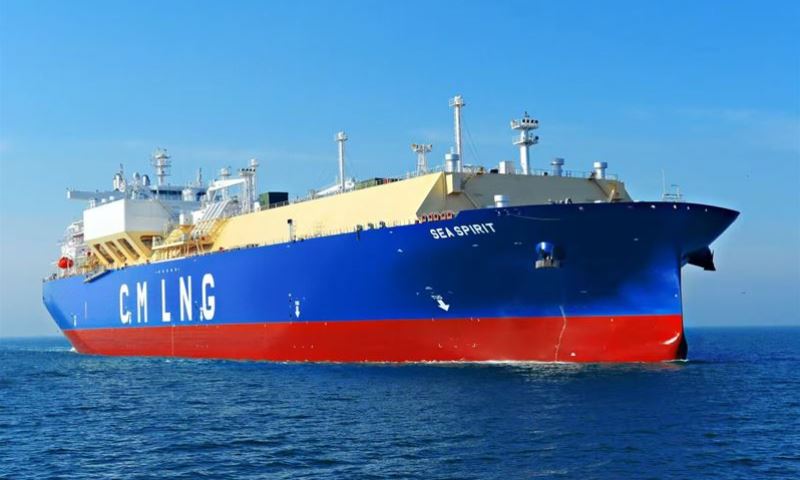
Two liquefied natural gas (LNG) carriers departing from Ras Laffan, Qatar, were forced to turn back after heading eastward toward the Strait of Hormuz, according to ship-tracking data released Monday, highlighting ongoing disruptions to energy flows amid escalating regional conflict.
The vessels—Al Daayen and Rasheeda—had loaded cargoes in late February, data from Kpler and LSEG showed. The Al Daayen was signalling China as its destination before reversing course. Both tankers are controlled by QatarEnergy.
Had the ships successfully transited the Strait, they would have marked the first LNG cargo passage through the critical chokepoint since the outbreak of the U.S.-Israel war with Iran on February 28. The conflict has significantly disrupted maritime traffic through the route, which handles roughly 20% of global oil and LNG flows.
Earlier, an empty LNG carrier, Sohar LNG, managed to cross the strait, according to its joint owner Mitsui O.S.K. Lines. However, the company declined to disclose details about the timing or any security arrangements involved in the transit.
More than five weeks into the conflict, tanker movements remain constrained due to ongoing hostilities and retaliatory attacks. The instability has driven up global oil prices and heightened concerns over energy security, particularly in Asian markets that rely heavily on Gulf exports.
Qatar, the world’s second-largest LNG exporter, has also suffered infrastructure setbacks. Iranian attacks have reportedly knocked out around 17% of its LNG export capacity, with an estimated 12.8 million tonnes per annum expected to remain offline for three to five years, further tightening global supply.