
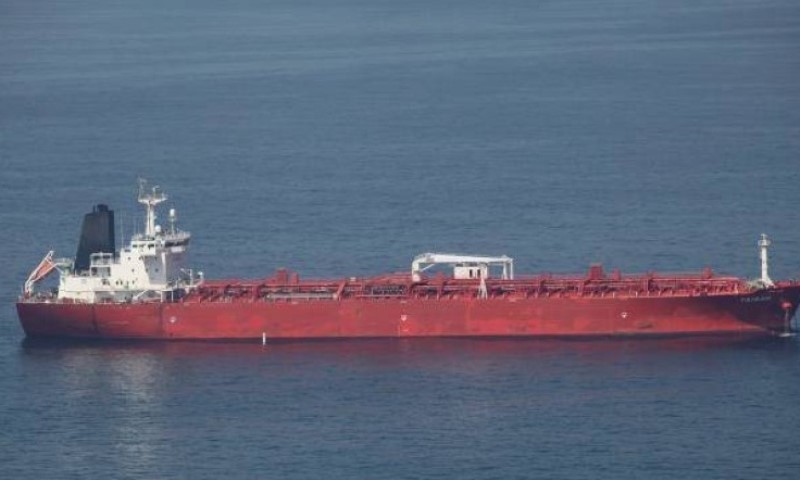
Dirty tanker exports from the Americas surged to a record 14.5 million barrels per day (mbpd) in May 2026, surpassing the previous high of 13.8 mbpd recorded in April, according to shipping association BIMCO. Exports were up 40% year-on-year, highlighting the region’s growing role in global crude oil supply amid ongoing disruptions to Middle East trade flows.
BIMCO Chief Shipping Analyst Niels Rasmussen said that since the start of the Iran conflict, dirty tanker exports from the Americas have risen 23% year-on-year, with the region accounting for the vast majority of export growth outside the Persian Gulf.
The United States led the increase, recording a 32% year-on-year rise in exports during March–May, while Venezuela, Brazil, Canada, and Guyana also expanded shipments. Growth has been supported by higher U.S. shale oil production, eased restrictions on Venezuelan crude exports, new FPSO-linked production in Brazil, and the ramp-up of Guyana’s Yellowtail offshore field.
In a notable shift, East Asia overtook North America as the largest destination for Americas crude exports in May, only the second time this has occurred since 2023. Asian markets received nearly half of the year-on-year increase in export volumes during March–May, with shipments to the region rising from 4.1 mbpd in 2025 to 5.4 mbpd in 2026.
The Aframax/LR2 segment captured nearly half of the total volume growth, driven largely by LR2 tankers switching from clean-product trades to dirty cargoes. However, increased vessel availability has also contributed to lower freight rates in the segment despite stronger export demand.
According to BIMCO, sustained high export volumes from the Americas could help offset global oil supply disruptions while the Strait of Hormuz remains effectively closed. The organization noted that once Persian Gulf exports normalize, strong output from the Americas could support both rising global oil demand and the rebuilding of oil inventories.