
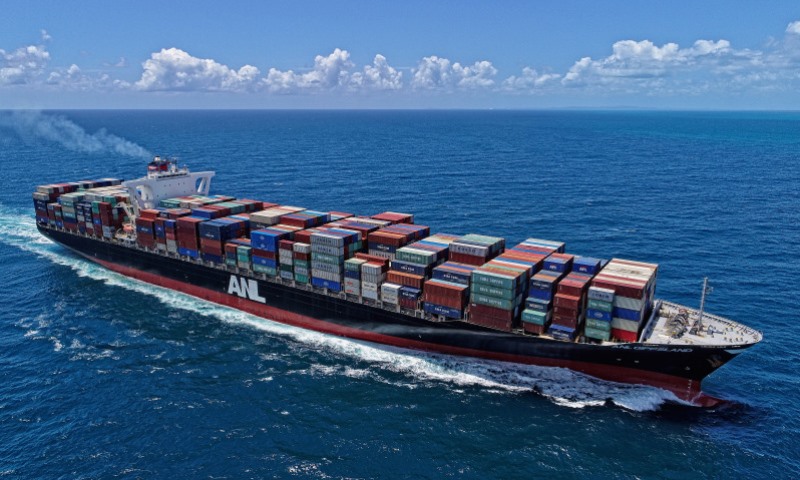
ANL has announced a general rate increase (GRI) across its Asia–Oceania trade lanes, signalling a renewed effort to lift freight rates amid ongoing market pressures.
The carrier said the rate hike will apply to shipments moving between major Asian ports and destinations in Oceania, where pricing has remained under strain due to soft demand and intense competition. The move is aimed at restoring rate levels and improving overall profitability.
Industry sources noted that carriers operating in the Asia–Oceania corridor have been grappling with fluctuating volumes and excess capacity, leading to downward pressure on freight rates in recent months. ANL’s decision reflects a broader trend of shipping lines attempting to rebalance pricing through coordinated increases.
The revised rates are expected to impact a wide range of cargo, including consumer goods, machinery, and intermediate products traded across the region. Shippers may see a rise in transportation costs if the increase gains traction in the market.
Analysts say the effectiveness of the rate restoration will depend on demand recovery and whether other carriers follow with similar pricing actions. Sustained rate improvements typically require alignment across multiple operators in highly competitive routes.
The development comes as global shipping lines continue to navigate geopolitical uncertainties, evolving trade patterns, and cost pressures, prompting a stronger focus on yield management and pricing discipline.