
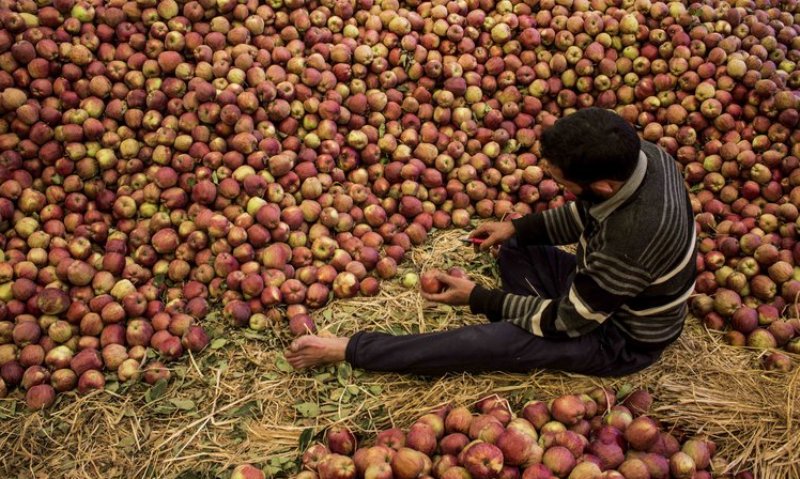
Apple growers across key producing regions in India are raising concerns that recent trade agreements could lead to an influx of low-priced imported fruit, threatening the viability of domestic orchards and farmers’ livelihoods.
Farmers Sound Alarm Over Import Duty Cuts
Growers in major apple-producing states such as Jammu & Kashmir, Himachal Pradesh and Uttarakhand fear that tariff reductions under recent trade pacts — including interim arrangements with the United States and free trade agreements with countries like European Union and New Zealand — could result in cheaper foreign apples entering the Indian market.
Under these deals, tariffs on imported apples have been lowered or offered on a quota basis, raising fears that producers will struggle to compete on price with imported fruit that may be sold at lower rates once levies are reduced. Growers say such a scenario could depress domestic apple prices, compress profit margins, and harm the economic stability of farming communities that rely on apple cultivation.
Political and Regional Responses
Regional leaders have echoed growers’ concerns, warning that reduced import barriers could destabilise local horticulture sectors. Himachal Pradesh Chief Minister Sukhvinder Singh Sukhu has cautioned that trade agreements with the US, EU and other nations could flood markets with cheaper apples and other horticultural products like walnuts and almonds, making it harder for domestic farmers to secure sustainable prices. He has urged a reassessment of policies to better protect farmers’ interests.
Growers in the Kashmir Valley have also voiced anxieties about their future and, in some cases, appealed directly to government leaders to reconsider duty cuts and offer stronger protections for Indian orchardists.
Broader Context
India is already a major importer of apples, but farmers argue that further reductions in import duties could skew market dynamics at a time when domestic producers are facing challenges such as rising input costs and logistical constraints. Critics of the trade deals say that without adequate safeguards, such agreements may benefit foreign exporters at the expense of local growers.
Government officials have maintained that safeguards such as minimum import prices and quota limits are in place to prevent market disruption, but many growers remain unconvinced and are preparing to push for stronger protective measures.