
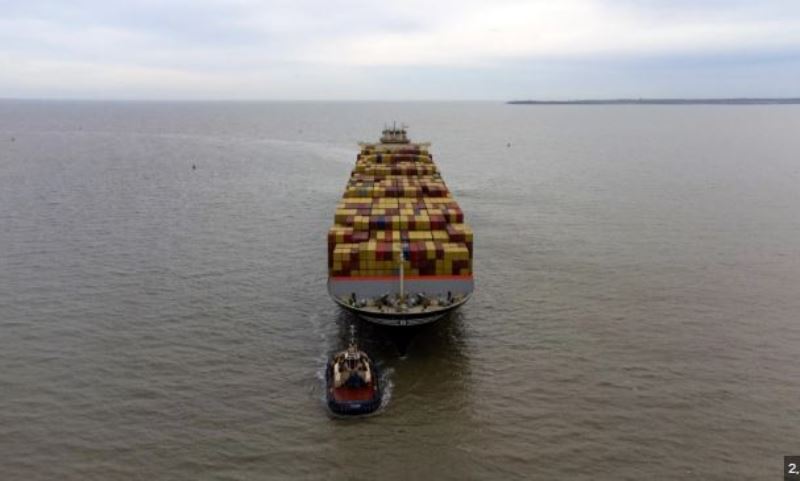
Asia-Europe container shipping services continue to play a central role in global maritime trade, with carriers prioritising capacity, network adjustments, and operational improvements on one of the world’s most important trade corridors.
The route remains a key focus for major shipping lines due to strong cargo demand, high-value trade flows, and its importance in connecting manufacturing centres in Asia with consumer markets across Europe.
Carriers have continued to reshape Asia-Europe networks through vessel upgrades, service adjustments, and alliance cooperation to improve efficiency and maintain competitive transit times. The deployment of larger container vessels on the route has also helped operators achieve greater economies of scale.
Recent global disruptions, including geopolitical risks, changing trade patterns, and uncertainty around major shipping routes, have further highlighted the importance of flexible and reliable Asia-Europe services.
Industry analysts said the trade lane will remain a strategic priority for ocean carriers as they balance capacity management, schedule reliability, and sustainability goals. Investments in new-generation vessels, digital solutions, and alternative fuels are expected to influence the future development of these services.
As global supply chains continue to evolve, the Asia-Europe corridor is expected to remain a backbone of container shipping, supporting international commerce and shaping carrier network strategies worldwide.