
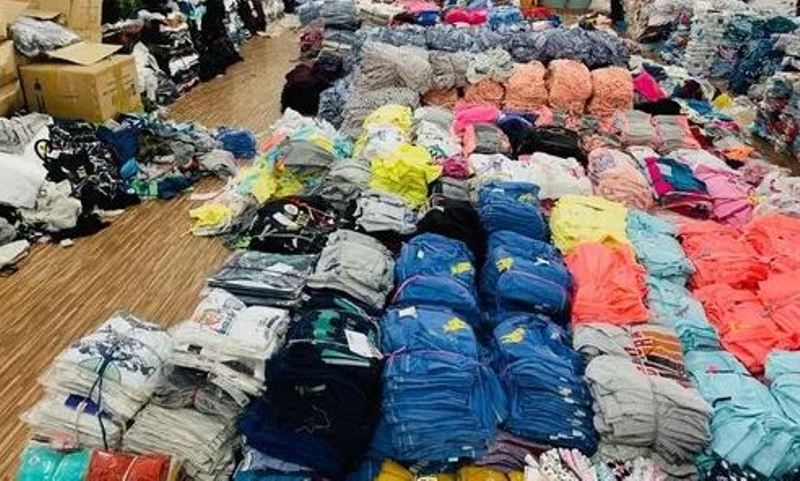
Political and labour unrest in Bangladesh is beginning to ripple across eastern India, with West Bengal’s garments and apparel industry facing supply disruptions, order delays and rising cost pressures, industry stakeholders said.
Bangladesh is a key sourcing hub for fabrics, accessories and finished garments, and prolonged unrest has slowed factory operations, inland transport and port movements there. Garment manufacturers in West Bengal, especially small and medium units supplying domestic retailers and export houses, report delays in receiving raw materials and semi-finished goods routed through Bangladesh.
Industry associations said the disruption is affecting production schedules and delivery timelines, raising the risk of penalties and order cancellations. Export-oriented units are particularly vulnerable, as buyers remain sensitive to delays ahead of the peak festive and winter retail season in key overseas markets.
Logistics challenges have added to the strain. Border trade points and transhipment routes have seen slower clearances, while uncertainty has pushed up freight and insurance costs. Manufacturers note that alternative sourcing from other countries or domestic suppliers often comes at higher prices, squeezing already thin margins.
Retailers and buying agents have also flagged the risk of inventory shortages if the situation persists. Some firms are exploring diversification of sourcing to other South Asian countries, but industry executives caution that such shifts cannot be implemented quickly.
The West Bengal garments sector, which provides employment to thousands of workers, is urging the government to facilitate smoother logistics, explore temporary trade facilitation measures, and engage with industry bodies to mitigate the impact. Stakeholders warn that prolonged instability in Bangladesh could weaken the competitiveness of Bengal’s apparel industry unless supply chains stabilise in the coming weeks.