
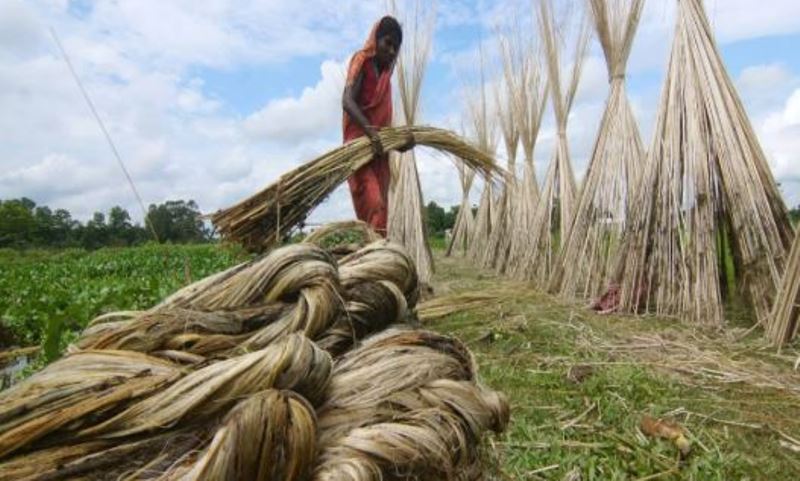
Bangladesh’s recent restrictions on raw jute exports are beginning to impact Indian jute mills, particularly in West Bengal, where manufacturers are facing supply shortages, rising input costs and production uncertainty, according to a report.
India depends significantly on imported raw jute from Bangladesh to supplement domestic availability, especially during lean harvest periods. Industry sources said the curbs have tightened supply, forcing mills to rely more heavily on costlier domestic procurement or alternative fibres, squeezing margins.
Jute mill operators noted that prices of raw jute have risen in recent weeks, affecting the production of sacking, hessian and diversified jute products. The impact is more pronounced for small and medium mills, which have limited inventory buffers and lower pricing power.
The supply disruption comes at a critical time, with demand picking up from government agencies for foodgrain packaging and from export markets for eco-friendly jute products. Delays or cost escalations could affect timely execution of orders, industry representatives warned.
Trade bodies have urged the Indian government to engage with Bangladesh to ensure smoother cross-border jute flows and explore interim measures such as facilitating imports from alternative origins or providing temporary relief to mills facing acute shortages.
Bangladesh, one of the world’s largest jute producers, periodically imposes export controls to stabilise domestic prices and ensure availability for its own mills. However, Indian industry stakeholders cautioned that prolonged restrictions could weaken the competitiveness of India’s jute sector and disrupt employment in jute-producing regions unless supply conditions ease in the coming months.