
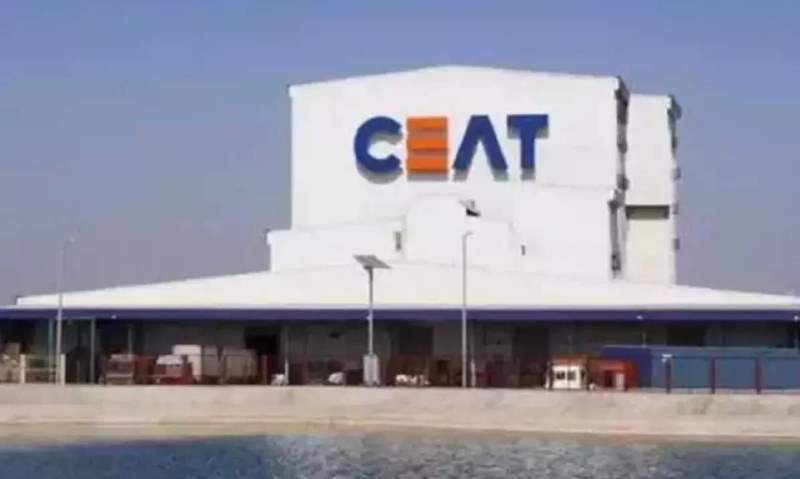
Ceat is ramping up production capacity at its Chennai plant, with a focus on expanding both truck and bus radial (TBR) and passenger car radial (PCR) tyres. The company recently completed Phase I of its TBR expansion and is set to begin Phase II, which will boost TBR production over the next six to nine months. Ceat currently manufactures 45,000 TBR units monthly at the Chennai facility.
In addition to TBR, Ceat is also increasing its PCR production capacity. Currently producing 20,000 PCR units daily, the company plans to raise output by 30-40%, pushing daily production to around 27,000 to 28,000 units. This expansion is part of a larger Rs 1,000 crore capital expenditure plan for the year, aimed at meeting growing demand.
Ceat has already raised prices for its TBR and PCR tyres by 2-3.5% from October 1 and is considering further price hikes across other product categories later in October and possibly in November or December. The upcoming increases, ranging from 1.5% to 2%, are driven by rising natural rubber costs and supply shortages.
Despite challenges in the export market due to container shortages and rising freight costs, Ceat has a robust order book. The company posted standalone revenue of Rs 3,298 crore for Q2, with a net profit of Rs 136.5 crore. Ceat CFO Kumar Subbiah noted that double-digit growth in the replacement and international markets contributed to revenue, while cost efficiencies helped mitigate the impact of rising raw material costs. Ceat’s debt increased by Rs 280 crore during the quarter.