
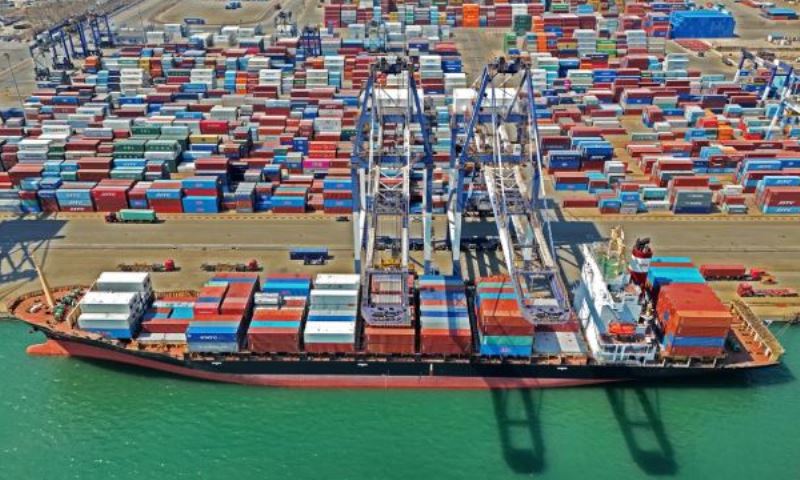
Container freight rates on the China–India trade lane have doubled as stronger import demand puts pressure on available vessel capacity, creating tighter shipping conditions for Indian importers.
The increase in rates comes as demand for containerised cargo from China rises while shipping lines face limited vessel space. The imbalance between cargo demand and available capacity is pushing freight costs higher on the route.
Indian importers sourcing goods from China are likely to face increased logistics costs as carriers adjust pricing in response to the tighter capacity environment. Higher freight rates could add to the landed cost of imported goods, particularly for cargoes with relatively low margins.
The capacity constraints are also highlighting the sensitivity of the China–India trade to changes in vessel deployment and cargo volumes. When available slots tighten, shippers can face both higher rates and greater difficulty securing space for time-sensitive consignments.
China is a major source of manufactured goods, machinery, components and consumer products for India, making the trade route an important part of the country’s import logistics network.
Shipping costs could remain elevated if import demand continues to outpace available vessel space. However, freight rates may change depending on vessel capacity deployment, booking volumes and broader market conditions.
The sharp rise in China–India container rates underscores the continuing pressure on shippers as strong cargo demand competes for limited space on regional services.