
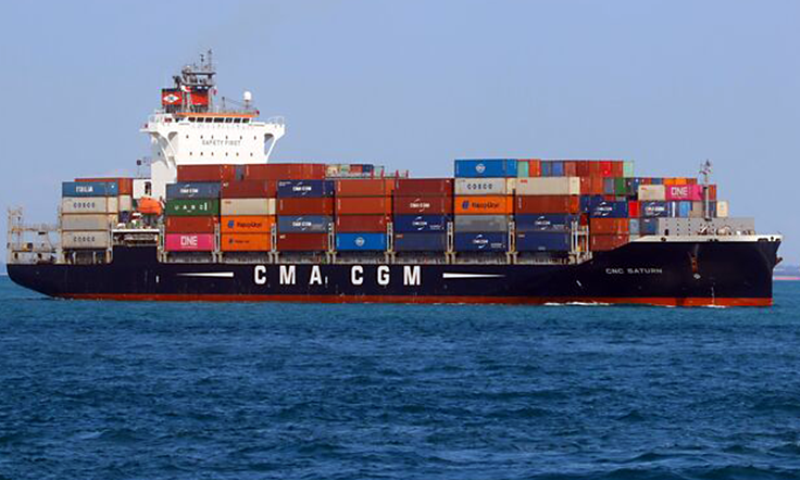
CMA CGM has announced updates to the rotations of its M2X and ACSA 1 services as part of its network optimisation for the 2026 schedule, aiming to improve connectivity, transit times and service reliability across key Asia–Americas trade lanes.
M2X Service
The revised M2X service will focus on strengthening direct links between Asia and Mexico, with the updated rotation: Shekou – Ningbo – Shanghai – Tianjin Xingang – Qingdao – Ensenada – Manzanillo – Lázaro Cárdenas – Yokohama.
The new rotation introduces a direct call at Ensenada, enhancing coverage of the Mexican market and supporting growing reefer and general cargo demand.
ACSA 1 Service
The ACSA 1 service, connecting Asia with the West Coast of South America, will operate on the revised rotation: Busan – Qingdao – Ningbo – Shanghai – Buenaventura – San Antonio – Chancay – Callao – Posorja – Yokohama.
The changes restore calls at key South American ports, improving access to Colombia, Chile, Peru and Ecuador, while also supporting reefer exports, particularly fresh fruit shipments to Asia.
CMA CGM said the revised rotations reflect its ongoing efforts to align capacity with market demand and offer customers more reliable and efficient services across strategic transpacific and Asia–South America corridors.