
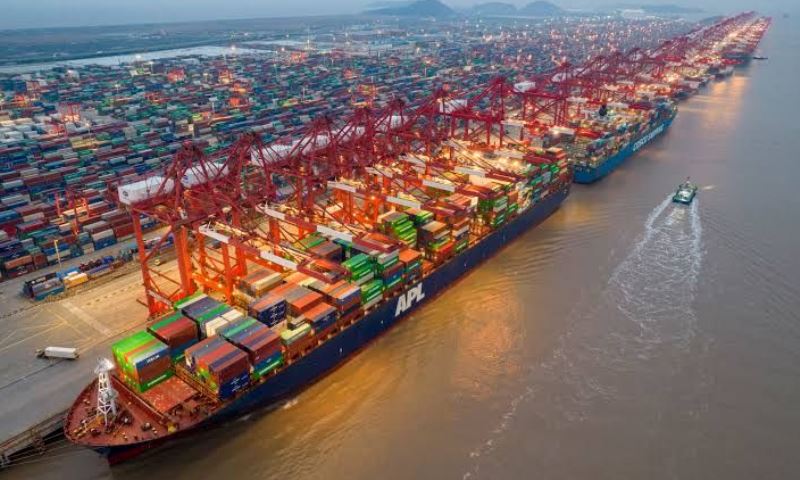
Container throughput at Osaka Port recorded a slight decline in April, with total container handling volumes falling 0.5% compared with the same month last year, reflecting continued uncertainty in regional trade flows and global economic conditions.
The marginal decrease highlights the challenges facing ports across Asia as shifting demand patterns, evolving supply chains and fluctuating cargo volumes influence container movements. Despite the decline, Osaka Port continued to maintain stable operations and remained a key gateway for Japan’s international trade.
Industry data showed that both import and export container traffic contributed to the overall performance during the month. Market participants noted that softer demand in certain manufacturing sectors and cautious inventory management by businesses affected cargo flows through the port.
Osaka Port plays a vital role in Japan’s logistics network, handling a diverse mix of containerized cargo including machinery, industrial equipment, consumer goods, chemicals and automotive-related products. The port serves as an important hub connecting Japanese businesses with major markets across Asia, North America and Europe.
Port authorities continue to focus on operational efficiency, infrastructure upgrades and digitalization initiatives to enhance cargo handling capabilities and strengthen competitiveness. Investments in terminal modernization and logistics systems are expected to support future growth and improve service reliability for shipping lines and cargo owners.
Shipping analysts noted that while monthly fluctuations are common, overall container traffic remains influenced by broader global trade conditions, geopolitical developments and economic growth trends in key export markets. Many ports in the region are closely monitoring cargo demand as businesses adapt to changing market dynamics.
Despite the modest decline in April, industry stakeholders remain cautiously optimistic about container volumes in the coming months, supported by ongoing trade activity and supply chain requirements. Seasonal cargo demand and improving economic conditions in major trading partners could help support throughput levels during the remainder of the year.
The latest figures underscore the importance of maintaining resilient port operations and efficient logistics infrastructure as Osaka Port continues to serve as a critical link in Japan’s international supply chain network.