
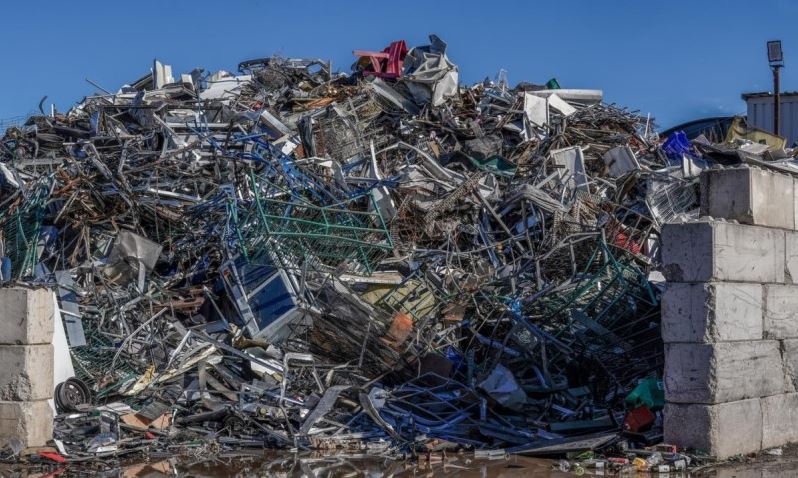
India has raised concerns over proposed restrictions on scrap exports from the European Union, warning that tighter controls could affect trade flows, industrial supply chains and the benefits expected from stronger India-EU economic cooperation.
The restrictions on scrap movement could impact Indian industries that rely on imported scrap materials, particularly sectors such as steel, metals and manufacturing. Industry stakeholders have highlighted the need for continued access to stable and cost-effective raw material supplies to support production and competitiveness.
India is seeking greater clarity and possible relief measures from the EU to ensure that new regulations do not create additional trade barriers. Officials have emphasized the importance of maintaining balanced policies that support both environmental goals and global trade continuity.
The issue comes as India and the EU continue efforts to deepen economic engagement and advance a broader trade partnership. Businesses on both sides are looking for regulatory frameworks that encourage smoother supply chains and stronger market access.
Trade experts said restrictions on scrap exports could influence raw material availability and pricing, potentially affecting industries that depend on recycled inputs. India is expected to continue discussions with European counterparts to address concerns and protect long-term trade interests.