
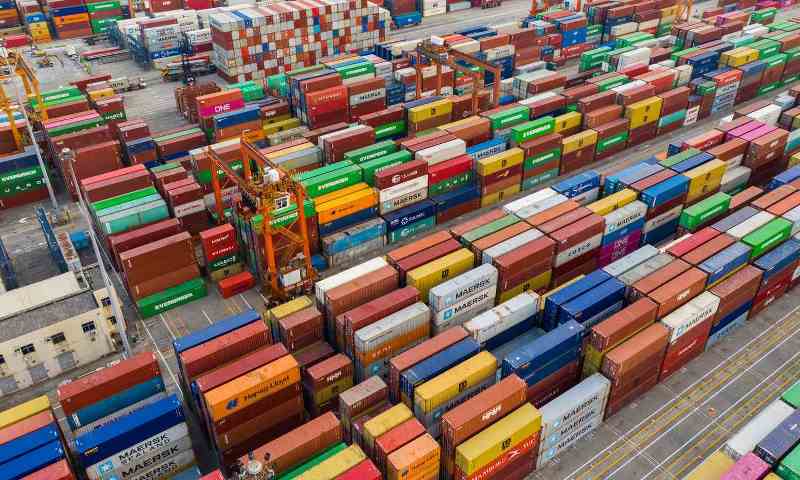
Escalating tensions in West Asia have disrupted shipping routes and sharply increased logistics costs for Indian exporters, with freight rates on some routes reportedly rising as much as fivefold while tens of thousands of containers remain stranded.
Industry estimates indicate that nearly 45,000 containers carrying Indian export cargo are currently stuck across key transshipment hubs, regional ports and vessels in transit as shipping lines suspend or reroute services through parts of the Gulf. The disruption has affected shipments ranging from engineering goods and textiles to chemicals, food products and pharmaceuticals.
Exporters say the uncertainty has forced shipping lines and insurers to introduce emergency surcharges, including war-risk premiums and contingency charges. As a result, container freight rates on certain Middle East and connecting routes have jumped dramatically, putting pressure on exporters already operating on tight margins.
The crisis has also created logistical bottlenecks as carriers divert vessels to safer ports or issue “end-of-voyage” notices for some services calling at Gulf ports. These moves have led to cargo being offloaded at alternative hubs, leaving exporters scrambling to arrange onward transportation.
Logistics providers warn that the congestion could worsen if the situation persists, as containers and equipment remain tied up in disrupted routes. The imbalance is also reducing the availability of empty containers in Indian ports, potentially affecting new export bookings.
Trade bodies have urged the government to intervene by facilitating alternative shipping arrangements, easing documentation requirements for cargo rerouting and considering financial support to offset the sudden surge in freight costs.
Industry analysts say that unless stability returns quickly to the region, Indian exporters may face prolonged delays and higher logistics expenses, which could undermine the competitiveness of shipments bound for markets in Europe, the Middle East and Africa that rely on Gulf transshipment hubs.