
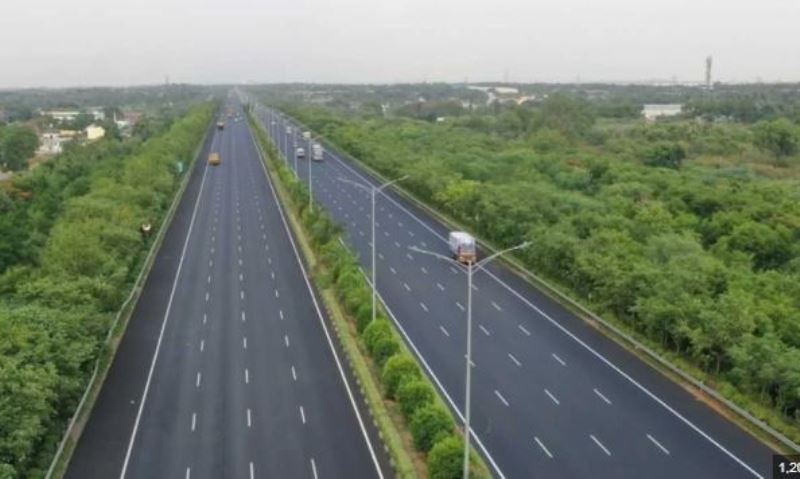
The upcoming Ganga Expressway is expected to significantly improve freight movement across northern India and generate logistics savings of nearly ₹30,000 crore by reducing cargo transit times and transportation inefficiencies.
Stretching across key industrial and agricultural regions of Uttar Pradesh, the expressway is designed to strengthen connectivity between production centres, logistics hubs and consumption markets. Industry experts said the high-speed corridor could help streamline supply chains by enabling faster movement of goods, lowering fuel consumption and reducing vehicle operating costs.
Logistics operators and transport companies believe the project will improve access to major freight corridors, inland container depots and warehousing clusters, benefiting sectors such as agriculture, food processing, textiles, manufacturing and e-commerce. Faster turnaround times are also expected to enhance delivery reliability and reduce inventory holding costs for businesses.
The expressway is likely to support the expansion of multimodal logistics infrastructure along its route, encouraging investments in industrial parks, distribution centres and freight facilities. Analysts noted that improved road connectivity could ease congestion on existing highways and strengthen regional trade integration.
Officials said the project forms part of India’s broader push to modernise transport infrastructure and lower national logistics costs, which remain higher than many global manufacturing economies. Once operational, the Ganga Expressway is expected to play a key role in boosting economic activity and improving supply chain efficiency across North India.