
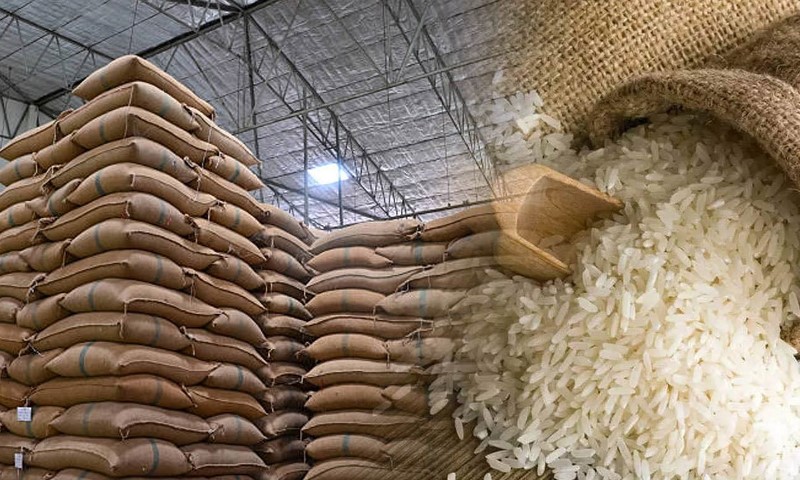
Rice exporters in Haryana are witnessing shipment disruptions and potential payment delays following military strikes by the United States and Israel on Iran, triggering uncertainty in key basmati markets.
Sushil Kumar Jain, President of the Rice Exporters Association’s Haryana unit, said shipments bound for Iran and those routed to Afghanistan via Iran’s largest port, Bandar Abbas, have been held up. “These consignments will remain stuck until the situation improves, impacting the market. Payments may also get delayed,” he said, adding that the overall impact will depend on the duration of the conflict.
Haryana accounts for nearly 35 per cent of India’s total basmati rice exports annually, making the state particularly vulnerable to disruptions in West Asian trade routes.
Neeraj Kumar, a rice miller from Karnal, said the uncertainty has already affected domestic prices. “Within a day of the conflict, basmati rates have fallen by ₹4–5 per kg, translating to ₹400–500 per quintal,” he noted. He recalled a similar market reaction during last year’s Iran–Israel tensions.
Iran remains India’s second-largest basmati market after Saudi Arabia. India exported around 1 million tonnes of basmati rice to Iran during FY 2024–25, out of a total 6 million tonnes shipped globally. Other key destinations include the United Arab Emirates, Oman, Yemen, Iraq and the United States.
Exporters have also raised concerns over war-risk insurance premiums and limited coverage for vessels operating in the region, increasing operational risks and freight costs.
With Karnal serving as the principal basmati export hub, along with Kaithal and Sonipat, the industry is closely monitoring developments. Stakeholders say the extent of the impact on March shipments and future contracts will hinge on how long the geopolitical tensions persist.