
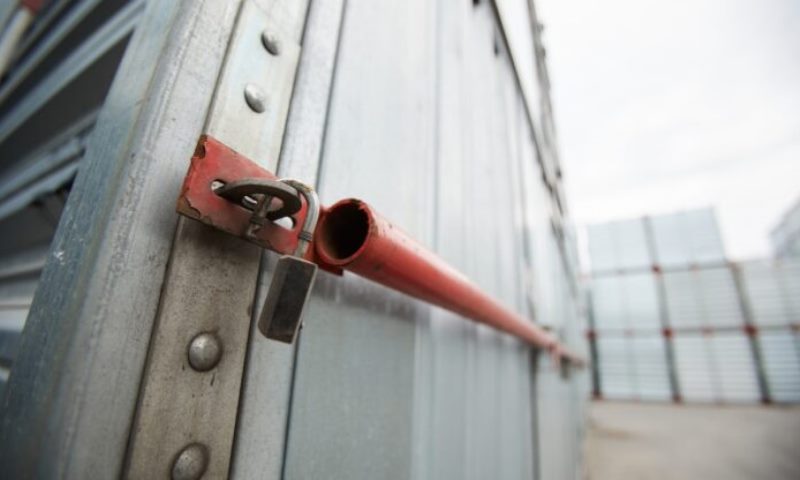
A huge rise in cargo theft in the US has left stakeholders pushing for “federal involvement” and urging shippers to get insurance.
Insurance and risk assessment company TT Club analysis revealed a significant 60%+ increase in the number of reported thefts of all types of cargo last year over 2022.
And thefts of full loads from cargo handling facilities or depots comprised nearly half of these incidents, compared with 29% in 2023.
Katie Farmer, president and CEO of BNSF, the largest freight railroad in the US, told delegates at TPM25 by S&P Global that cargo theft was “absolutely 100% what [BNSF is] focused on right now”.
“We know this is critically important to our customers… It is a truck issue, it is a retail store issue, it is a railroad issue, and it has to stop,” she said, and explained that BNSF was “approaching this in a couple of different ways”.
“First and foremost, obviously, prevention is the biggest thing. If I told you how much money we’re spending on prevention, I think people would be shocked,” said Ms Farmer.
The operator’s prevention and deterrent methods included electric fencing and cement barriers at its intermodal facilities, thermal imaging t and drone technology between Barstow and Belen, and officers riding on trains, she said.
She said BNSF last year added 50 contract officers to its railroad policing force, which resulted in 10,000 more hours of network surveillance than the year before.
“So, we’re attacking it from a prevention standpoint, but we’re also looking at it from the standpoint of public policy. We cannot solve this alone, we have to have federal involvement,” Ms Farmer urged.
“I believe it is starting to get the kind of attention in DC that it needs, but we’ve got a long way to go,” she said.
She added that, “even with all the increased enforcement and prevention”, if a there is a bust on Monday that results in six arrests, those same people will be back on Friday. So, this is not going to be something the railroad is going to be able to solve.
“It’s going to be something that at federal level, we’re going to have to have a collaborative effort across the supply chain,” Ms Farmer concluded.
Meanwhile, Steve Parker, director general of the British International Freight Association (BIFA), urged shippers to insure their cargo for all possible risks.
“During the 50 years I have been in this industry, one of the things that has always surprised me, is the amount of freight that moves globally without insurance,” he said.
“BIFA is contacted regularly by members when something untoward has happened to a consignment. Most often it is one of our SME corporate members that might not have the resources to incorporate an insurance offer into the freight cost. Typically, they say that the process is too complicated and long-winded for what is a small return.”
Mr Parker urged the insurance sector to make the process to obtain transit insurance “less cumbersome”.
“We need a system that makes it easy for insurance cover to be included in the freight rate offered, and the customer has to opt out rather than opt in.
“BIFA wants to see cargo insurance become the norm, not the exception.”