
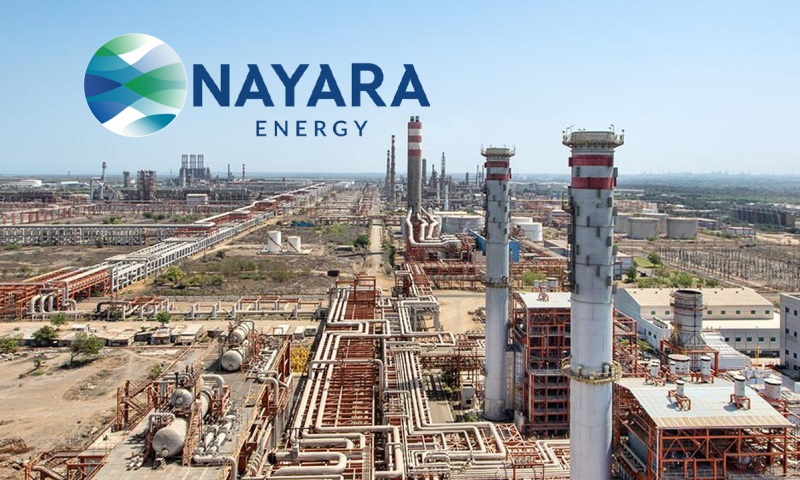
Indian authorities have cleared Nayara Energy, the Rosneft-backed refiner sanctioned by the European Union, to use four foreign-flagged vessels for coastal transportation of fuel products such as petrol and diesel within the country.
The Directorate General of Shipping (DG Shipping) has approved the use of the vessels to ensure uninterrupted domestic supply of fuels produced at Nayara’s Vadinar refinery in Gujarat, which accounts for about 8% of India’s total fuel consumption. Two ships are already operational, a third is joining shortly, and the fourth is expected to begin service in the coming days, officials said.
The move is aimed at stabilizing supplies ahead of the festival season, after Nayara’s shipping operations were disrupted when EU sanctions imposed in July prompted shipowners to halt product lifting from Vadinar over fears of secondary sanctions and lack of insurance coverage from Europe-based P&I clubs.
While domestic fuel transport has now been restored, Nayara’s overseas trade remains paralyzed due to the unavailability of banking channels. Banks have refused to process dollar-denominated transactions for Nayara’s crude imports and fuel exports, forcing the company since August to source crude solely from Russia using vessels arranged by Russian suppliers. Efforts to set up a dollar-payment mechanism through UCO Bank failed after its UAE partner, Mashreq Bank, declined to process Nayara-linked transactions.
Nayara’s limited exports — around 25–30% of its production — remain stalled, and it has scaled down refinery runs to align with reduced offtake. Unlike other refiners, the Vadinar facility is not connected to India’s pipeline network and relies heavily on ships to move products to key consumption hubs across Maharashtra, Karnataka, Tamil Nadu, Andhra Pradesh, and Odisha.
Hindustan Petroleum Corporation Ltd (HPCL), one of Nayara’s biggest customers, sources significant volumes from Vadinar to bridge gaps in its own refining output. Officials said the shipping arrangement would help meet the expected surge in demand during the festive season.
The EU’s 18th sanctions package, approved in July, targeted Russia’s energy revenues and directly sanctioned Nayara Energy, where Rosneft and investment consortium Kesani Enterprises each hold a 49.13% stake. The measures forced several European executives, including Nayara’s CEO, to resign. Both Nayara and Rosneft have denounced the sanctions as unjust and harmful to India’s energy security.