
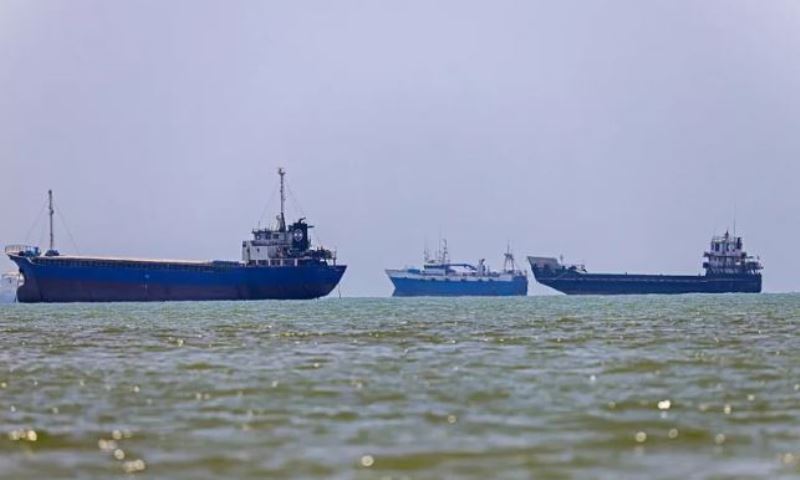
India is exploring alternative routes through Sohar in Oman and Fujairah in the UAE to maintain oil supplies while reducing dependence on shipments passing through the Strait of Hormuz.
The route diversification comes as security concerns around the strategic chokepoint have increased, prompting oil-importing countries and energy companies to assess alternative supply and transportation options.
Sohar and Fujairah provide access to ports outside the Strait of Hormuz, allowing crude and petroleum products to be moved through alternative maritime and land-based logistics networks. Fujairah, located on the Gulf of Oman, is already a major regional hub for oil storage, bunkering and energy trading.
For India, greater use of these routes could provide additional flexibility in managing crude supplies and reduce exposure to disruptions affecting vessels transiting Hormuz. However, the feasibility of alternative routes will depend on available port capacity, pipeline and storage infrastructure, transportation costs and regional security conditions.
India is one of the world’s largest crude oil importers, making reliable maritime supply routes critical to its energy security and refinery operations. Any sustained shift toward alternative corridors could also influence regional tanker movements, freight costs and crude supply chains.