
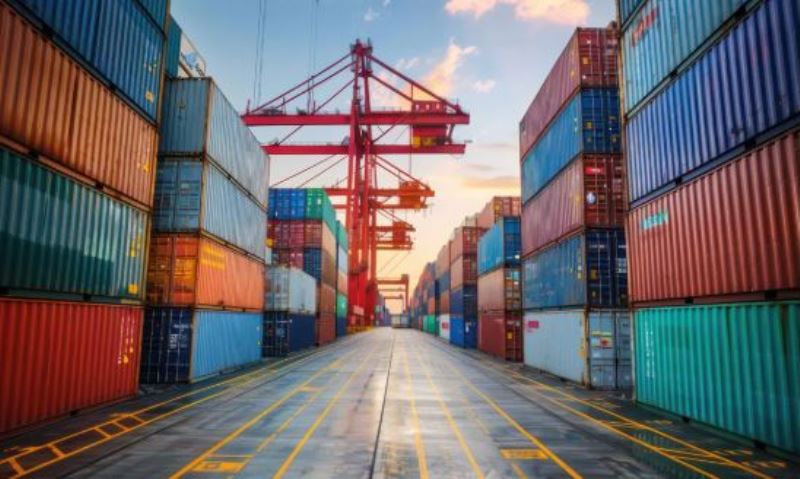
Corporate India has flagged rising pressure on supply chains due to ongoing tensions in the Middle East, even as industry leaders expressed support for the government’s efforts to manage the situation and safeguard trade flows.
Companies across sectors, including energy, chemicals, logistics, and manufacturing, are reporting delays, increased freight costs, and heightened uncertainty in shipments linked to the region. Key maritime routes passing through West Asia have come under strain, impacting the movement of both raw materials and finished goods.
Industry bodies noted that while there has been no widespread disruption yet, the risk of escalation is prompting firms to reassess sourcing strategies and inventory planning. Businesses are increasingly exploring alternative routes and suppliers to mitigate potential shocks.
Executives said the government has been proactive in monitoring developments and engaging with stakeholders to ensure continuity in trade. Measures such as close coordination with shipping lines, port authorities, and exporters are helping to manage emerging challenges.
Sectors dependent on imports from or exports to the Middle East—particularly energy and fertilisers—are seen as more vulnerable to prolonged instability. Any sustained disruption could lead to cost escalations and margin pressures for companies.
Despite the challenges, India Inc remains cautiously optimistic, citing the country’s diversified trade base and improving logistics infrastructure as buffers against external shocks. However, industry leaders emphasised the need for continued vigilance and policy support as the situation evolves.