
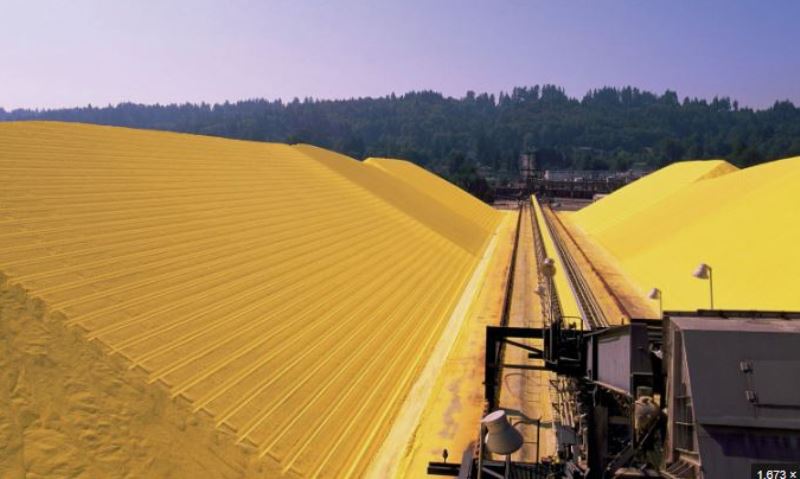
India is considering restrictions on sulphur exports as domestic availability tightens, according to industry sources, in a move aimed at safeguarding supplies for key sectors such as fertilizers, chemicals, and industrial manufacturing.
Sulphur is a critical raw material used in the production of sulphuric acid and phosphate fertilizers, making stable supply essential for agriculture and downstream industries. Any disruption in domestic availability could have wider implications for crop input costs and industrial output.
Sources indicated that authorities are reviewing inventory levels, import trends, and local demand before deciding on possible measures. These could include tighter export approvals, volume controls, or temporary curbs if shortages intensify.
India relies partly on imported sulphur, and global market volatility, shipping disruptions, and refinery output changes have contributed to supply concerns in recent months. Rising international prices have also encouraged exports, putting additional pressure on local markets.
Industry participants said any export curbs would likely be intended as a short-term stabilisation measure to ensure priority sectors receive adequate supplies. A formal decision is expected after consultations with producers, traders, and relevant ministries.