
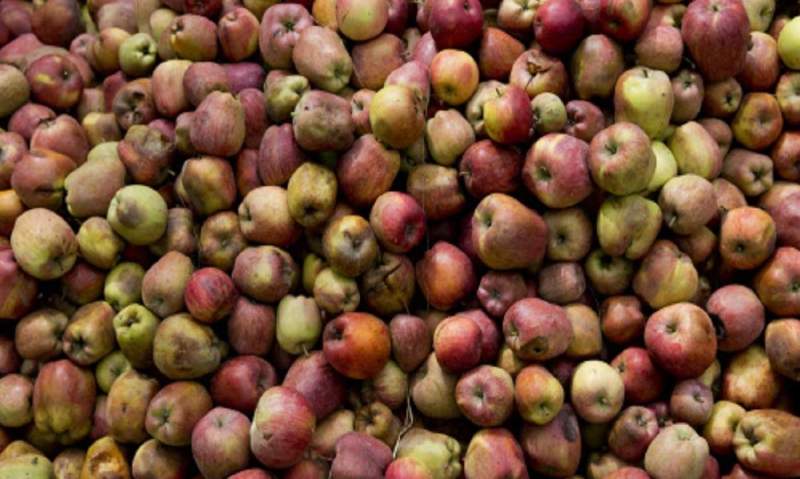
The Indian government has announced new trade measures on apple imports from the European Union, including a quantitative import limit, minimum import price, and a 20% customs duty, aimed at supporting domestic growers and stabilizing local prices.
Officials said the move comes amid rising domestic apple production and concerns over cheap imports undercutting farmgate prices, particularly from EU countries with higher export volumes. The measures are intended to protect Indian farmers while ensuring adequate supply for consumers.
Under the new rules, importers will have to adhere to minimum price requirements and stay within set import quotas, while the 20% duty is designed to discourage excessive imports that could depress domestic market rates. Trade analysts noted that the restrictions are targeted and demand-driven, rather than a blanket trade barrier.
Apple-growing states such as Jammu & Kashmir, Himachal Pradesh, and Uttarakhand are expected to benefit from the policy, as it helps maintain farm income stability and encourages local cultivation.
Industry experts said that while imports will continue, the quantitative and pricing measures are likely to balance domestic supply-demand dynamics and ensure fair pricing for both farmers and consumers.
The government emphasized that the policy is consistent with WTO guidelines, with duties remaining within bound rates, and that import regulations may be reviewed periodically to address seasonal supply fluctuations.