
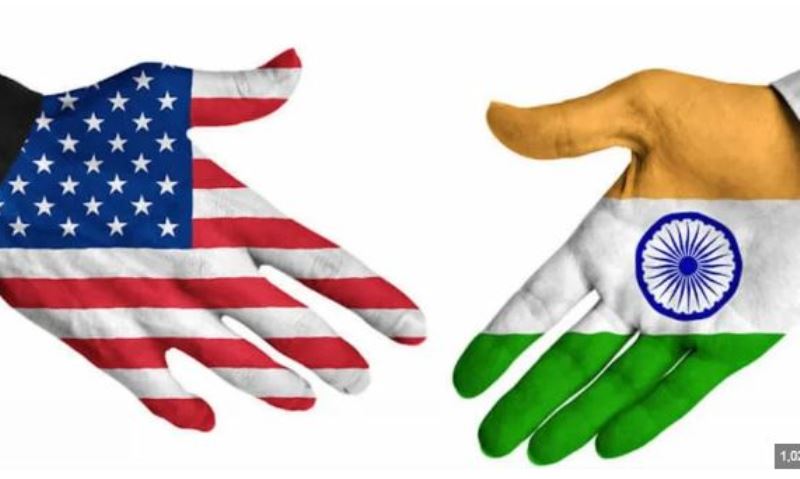
India and the United States will sign a landmark trade agreement by mid-March, Commerce Minister Piyush Goyal said on Thursday. Under the deal, the US will reduce reciprocal tariffs on Indian goods to 18 per cent, while India will stop purchasing oil from Russia and commit to buying goods worth US$500 billion in energy and technology products from the US.
Goyal said a joint statement outlining the broad framework of the agreement will be issued within the next five days, though detailed provisions will be shared at a later stage.
Government sources said India’s price-sensitive agriculture, dairy and fisheries sectors have been adequately protected, with no concessions granted that could impact farmers or rural livelihoods. The Indian side firmly resisted US demands for market access in agriculture and dairy, sources added.
Officials also pointed out that recent trade agreements signed in 2025 with Oman, the United Kingdom, New Zealand and the European Union were concluded without compromising sensitive domestic sectors.
The agreement, announced earlier this week by US President Donald Trump in a Truth Social post, is being viewed as the first step towards a broader comprehensive trade pact between the two countries. The long-term objective is to increase bilateral trade to US$500 billion by 2030.
The proposed deal had reportedly faced delays due to US pressure for access to India’s agriculture and dairy markets, which support crores of farmers and workers, including marginalised and low-income communities. India made it clear that such concessions were non-negotiable.
Following the announcement, opposition parties criticised the government for the lack of transparency, raising questions over implementation timelines and alternative energy sourcing. India imported nearly 21 million barrels of Russian oil in 2025, according to data from tracking firm Kpler.
Opposition protests disrupted parliamentary proceedings on Wednesday, frequently interrupting Goyal’s address in the Lok Sabha. In his remarks, the minister said the agreement would boost domestic manufacturing, encourage design and innovation, and open new opportunities for MSMEs. He also noted that India’s revised reciprocal tariff rate would be lower than that faced by most major exporting nations to the US.