
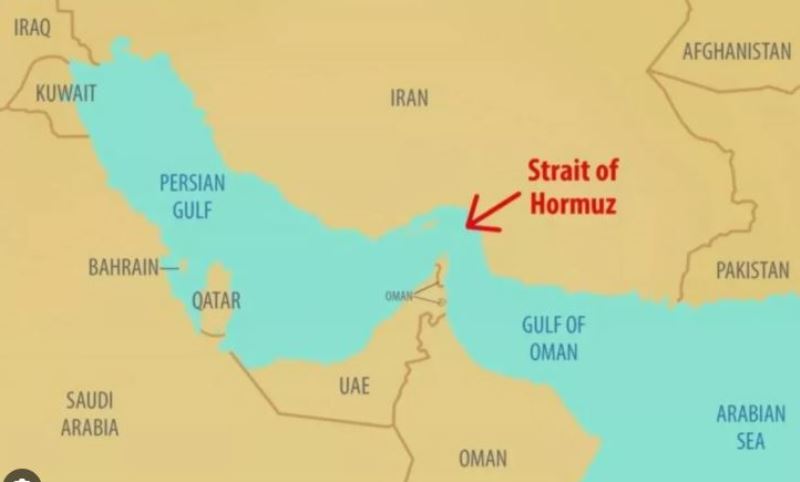
Indian shipping companies have urged the Centre to step in and ensure the safety of merchant vessels transiting the Strait of Hormuz, as escalating geopolitical tensions heighten risks along one of the world’s most critical maritime trade corridors.
Industry representatives said that growing instability in the Gulf region has raised concerns over vessel safety, crew security and sharply higher war-risk insurance premiums. The narrow strait, which links the Persian Gulf with the Arabian Sea, handles a significant share of global crude oil and liquefied natural gas shipments, as well as containerised cargo bound for India and beyond.
Indian carriers noted that any disruption to traffic through the strait could have serious implications for energy supplies and trade flows. India imports a substantial portion of its crude oil from Gulf nations, and a slowdown or threat to maritime passage could push up freight costs and delay deliveries.
Shipowners have reportedly sought enhanced naval coordination, real-time advisories and diplomatic engagement to ensure uninterrupted commercial navigation. They have also called for financial or policy support to offset rising insurance costs if tensions persist.
Maritime experts say insurers have already revised risk assessments for vessels transiting sensitive zones, leading to higher premiums and additional security requirements. Some operators are considering route adjustments, though alternatives to the Strait of Hormuz are limited and often significantly longer.
Government officials indicated that maritime security is under continuous review, with Indian naval forces maintaining a presence in the wider region to safeguard trade interests. Coordination between shipping companies and authorities is ongoing to assess evolving threats and operational challenges.
Analysts warn that prolonged instability around the strait could ripple across global shipping markets, affecting freight rates, tanker availability and overall supply chain stability. For Indian carriers, ensuring safe passage remains critical to sustaining trade and energy security in the face of rising regional risks.