
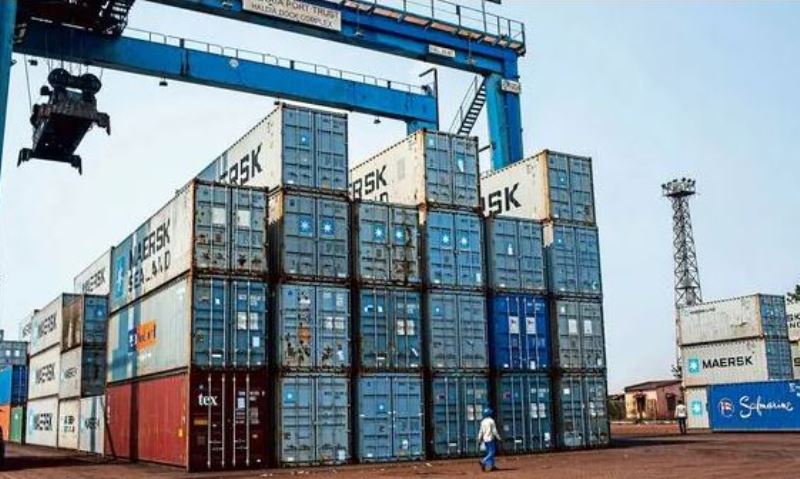
Indian exporters could face mounting cost pressures as the European Union advances plans to widen the scope of its carbon border tax mechanism, according to an assessment by Global Trade Research Initiative. The proposed expansion is expected to increase compliance burdens and pricing challenges for shipments entering the European market.
The EU’s Carbon Border Adjustment Mechanism (CBAM), initially covering carbon-intensive sectors such as steel, aluminium, cement, fertilizers, electricity and hydrogen, is being considered for broader application in future phases. Analysts say any expansion could impact additional Indian export segments that rely heavily on the EU as a destination market.
GTRI noted that Indian producers may need to invest in cleaner production technologies, carbon accounting systems, and traceability standards to remain competitive. Smaller exporters, in particular, could face difficulties managing reporting requirements and higher adjustment costs.
The development comes at a time when India and the EU are pursuing a broader trade agreement, making sustainability-related trade rules an increasingly important area of negotiation.
Industry bodies have called for government support, technology upgrades, and strategic policy engagement to help exporters adapt while preserving market access to Europe.