
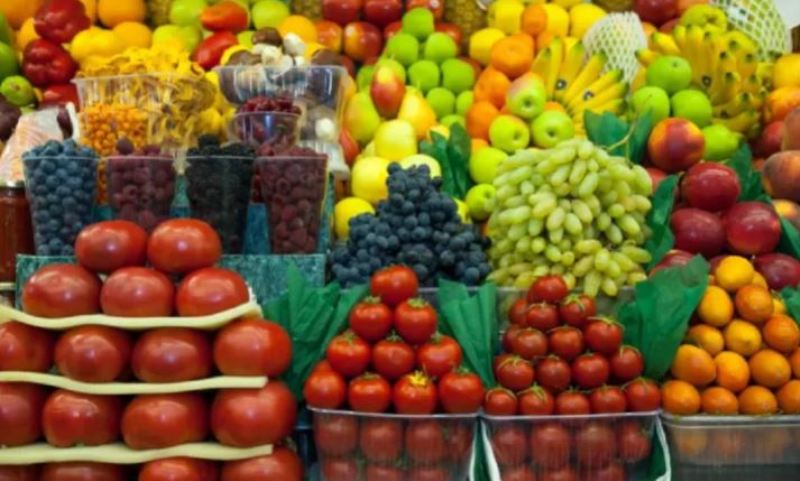
India’s fresh fruit and vegetable market is experiencing a noticeable shift as imports continue to grow, reflecting changing consumer preferences, rising demand for exotic produce, and evolving trade patterns.
According to government data, the value of fresh fruit imports has risen steadily over recent years, with figures for 2023–24 showing an increase compared with earlier periods — underscoring both demand and diversification in the Indian market.
Why Imports Are Rising
-
Consumer Preferences: Indian consumers are increasingly seeking a wider variety of fresh fruits, including exotic and health‑oriented options such as avocados, dragon fruit, and kiwis — categories that have seen rapid import growth in recent seasons.
-
Market Demand: While domestic production of fruits and vegetables has grown significantly (fresh output rising over 50% in value in the past decade), certain seasonal or premium produce still relies heavily on imports to meet year‑round demand.
-
Import Trends: Government trade statistics show fresh fruit import values rising from roughly $1.99 billion in 2019–20 to about $2.73 billion in 2023–24, indicating a steady upward trajectory in procurement of key horticultural commodities from overseas suppliers.
-
Vegetable Imports: Vegetable imports, including roots and pulses, also posted moderate increases, with overseas purchases reaching an estimated $3.7 billion in 2024, further illustrating broader engagement with global agricultural markets.
Balancing Domestic Production and Imports
India remains one of the world’s largest producers of fruits and vegetables, with diverse climates supporting expansive cultivation across regions. Domestic production growth over the past decade underscores the strength of India’s horticulture sector and its contribution to national food security.
However, imported produce plays an increasingly complementary role:
-
Meeting Urban Demand: Urban consumers often prefer year‑round availability and variety, especially for fruits not grown locally or out of season.
-
Filling Seasonal Gaps: Imports help stabilize supply and pricing during off‑season periods when domestic output may fluctuate.
Trade and Policy Dimensions
Trade policies, tariff structures, and international agreements continue to influence import flows. Adjustments in import duties and trade deals with key partners can affect the competitiveness of imported fresh produce relative to locally grown alternatives. Ongoing negotiations and trade frameworks may shape future trends in both imports and exports of agricultural goods.
Market Outlook
Industry analysts expect that India’s fresh fruit and vegetable import market will continue its upward trend as consumer tastes evolve and logistical networks expand. Premium and exotic categories are likely to see sustained growth, while policy measures and domestic supply enhancements could balance the interplay between imports and homegrown production in the years ahead.