
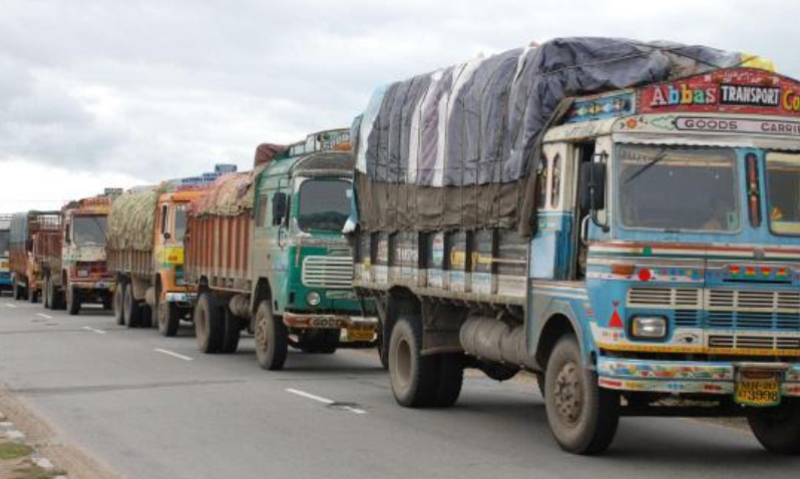
India’s mobility and logistics sector navigated a challenging operating environment in May 2026, with truck rentals remaining under pressure amid rising fuel costs and subdued freight demand, according to the latest Shriram Mobility Bulletin.
Truck rental rates across key trunk routes were largely stable on a month-on-month basis, with only marginal gains recorded on select corridors. The Bengaluru–Mumbai–Bengaluru route registered a 2.1% increase, while most other major routes remained unchanged.
According to the bulletin, repeated fuel price hikes and disruptions caused by the “Chakka Jam” protests in the National Capital Region (NCR) increased operating costs for transporters. However, weak freight demand limited fleet operators’ ability to pass these higher costs on to customers.
“Chakka Jam disruptions in NCR and repeated fuel price hikes created significant strain, but weak demand limited the ability to pass on costs fully,” said Sudarshan Holla. He added that while vehicle manufacturers have welcomed government support for replacing older BS-IV vehicles with cleaner alternatives in Delhi-NCR, uncertainty remains among fleet operators regarding the future use of BS-IV trucks that continue to meet emission standards after November 1.
Fuel consumption reflected seasonal strength during the month. Petrol demand increased 6% month-on-month, supported by higher road travel during the summer vacation period, while diesel consumption rose 5% compared with April.
The electric mobility segment continued its rapid expansion. Retail sales of electric cars surged 157% year-on-year in May, leading overall EV growth. Electric three-wheelers recorded an 87% increase, while electric two-wheeler sales rose 78% year-on-year, highlighting the accelerating adoption of electric mobility across vehicle categories.
Conventional vehicle segments also posted healthy growth. Retail sales of goods carriers increased 10% year-on-year, passenger cars grew 24%, and three-wheeler goods carriers advanced 25%. The two-wheeler market registered a 7% year-on-year increase.
Meanwhile, agricultural tractor sales climbed 13% year-on-year, supported by the onset of the kharif sowing season and continued rural demand, underscoring the resilience of India’s broader mobility and transportation ecosystem despite near-term operational challenges.