
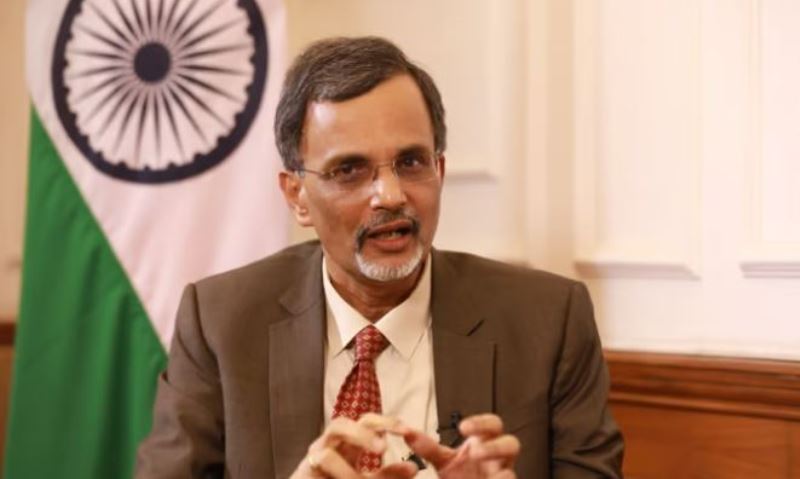
India’s growing inland waterways network is emerging as a key pillar of logistics resilience, helping cushion the impact of global supply chain disruptions triggered by the ongoing West Asian conflict, Chief Economic Advisor V Anantha Nageswaran said.
Speaking at a recent meeting of the Madras Chamber of Commerce and Industry in Chennai, Nageswaran highlighted that the country’s expanding multimodal transport system—particularly inland water transport (IWT)—is playing an increasingly important role in stabilising domestic logistics.
He described the rise of inland waterways as one of the most notable developments in recent years, with cargo volumes surging from about 18 million tonnes in 2013–14 to 146 million tonnes currently, reflecting a compounded annual growth rate of around 21%.
The ongoing West Asian crisis, he noted, is not only an energy shock but also a logistics disruption, driving up freight and insurance costs while affecting global cargo movement. “Freight and insurance costs have gone up and are likely to remain elevated as long as geopolitical uncertainty persists,” he said.
Against this backdrop, inland waterways provide a relatively insulated channel for domestic cargo movement, reducing reliance on volatile international shipping routes while also easing congestion on road and rail networks.
Nageswaran emphasised that the growth of inland water transport is part of a broader transformation in India’s logistics infrastructure. Increased investments in ports, dedicated freight corridors, and multimodal logistics hubs have been complemented by efforts to develop national waterways and improve navigability, helping address long-standing supply bottlenecks.
These improvements, he said, have supported India’s ability to maintain economic growth above 7% in the post-pandemic period while keeping inflation relatively contained.
Highlighting the broader implications of global disruptions, the CEA stressed the importance of building resilience and redundancy into logistics systems rather than focusing solely on cost efficiency.
With India’s energy imports—particularly crude oil, LPG, and natural gas—remaining exposed to geopolitical risks, strengthening domestic transport alternatives such as inland waterways is becoming increasingly critical.
“Logistics is one of the key channels through which external shocks transmit into the economy,” he said, adding that stronger internal connectivity can help mitigate these risks.
Framing the current challenges as an opportunity, Nageswaran called for a rethinking of logistics strategy. Inland waterways, once underutilised, are now emerging as a vital component of India’s transport ecosystem, demonstrating how constraints can be transformed into long-term advantages.