
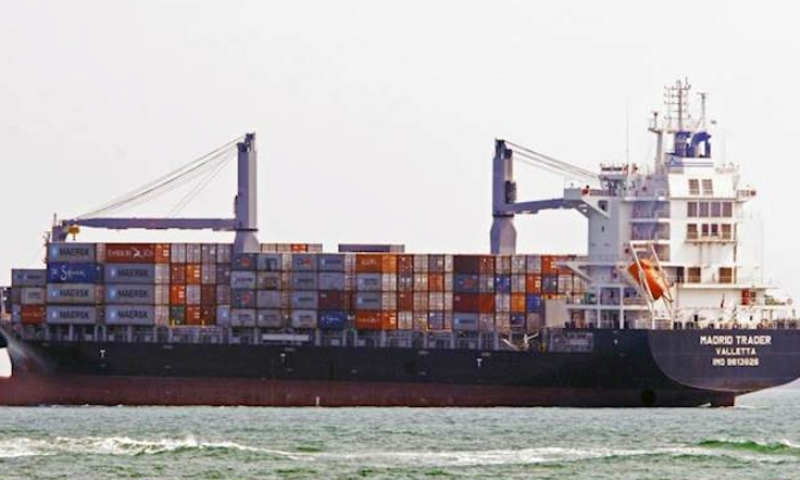
Freight rates on major Intra-Asia trade lanes have started to soften as a wave of new services and additional vessel capacity enters the market, easing the pressure seen over the past few months.
Carriers have rolled out multiple new intra-regional loops and upsized vessels on existing services to cater to strong cargo demand and reposition capacity amid volatility on longer-haul routes. This capacity injection has improved space availability, particularly on key corridors linking China, Southeast Asia, the Indian subcontinent and Northeast Asia.
Market participants say the added tonnage has intensified competition among shipping lines, prompting more flexible pricing and short-term rate corrections. Spot rates on several routes have edged down from recent highs, although they remain above historical averages.
Despite the cooling trend, demand fundamentals within Asia continue to be supported by resilient manufacturing activity, restocking ahead of seasonal peaks and growing cross-border trade within ASEAN and South Asia. Logistics players caution that rate stability will depend on how long carriers maintain the additional capacity and whether blank sailings are reintroduced to manage utilisation.
Industry observers expect intra-Asia freight rates to remain range-bound in the near term, with further softening possible if capacity growth outpaces demand, while geopolitical developments and operational disruptions could still trigger renewed volatility.