
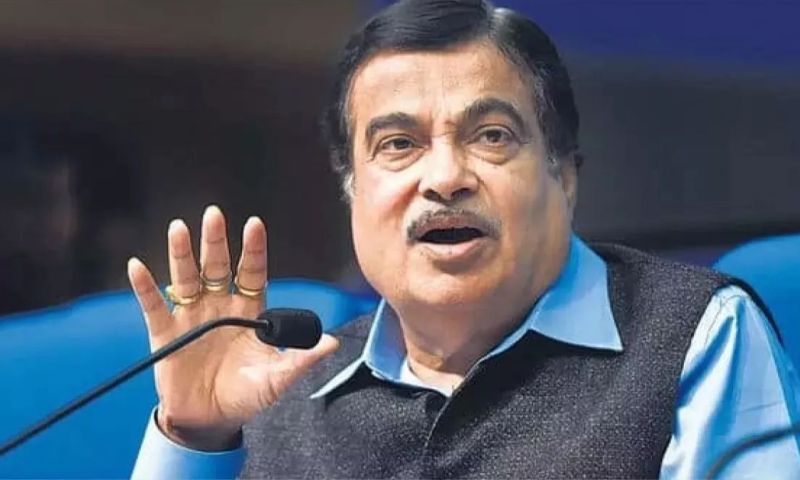
Union Road Transport and Highways Minister Nitin Gadkari on Thursday said that India’s logistics costs have declined sharply to 10% of GDP from 16% last year, and are expected to further reduce to 9% by December 2025.
Speaking at the annual convention of the Society of Indian Automobile Manufacturers (SIAM), Gadkari highlighted air pollution as the country’s most pressing issue, attributing 40% of it to the transport sector. He urged automakers to accelerate the shift towards alternate fuels and biofuels, warning that rising fossil fuel imports will worsen pollution.
“Despite difficulties, we moved from BS-IV to BS-VI norms. We will discuss BS-VII norms with the industry before deciding,” he said.
On the 20% ethanol blending mandate (E20), Gadkari said the move had benefitted maize farmers by ₹45,000 crore. He dismissed allegations against ethanol as politically motivated, asserting that both automakers and the Automotive Research Association of India (ARAI) have provided clarity.
The minister also pushed for stronger incentives for vehicle scrappage, revealing that 3 lakh vehicles—mostly government-owned—were scrapped in 2024, with 16,830 scrapped monthly on average. “If scrapping certificates are incentivised, it will boost GST revenues by ₹40,000 crore while aiding recycling of steel and precious metals,” he said.
On road safety, Gadkari said five lakh accidents occur annually in India and stressed that “safety for all should be a priority.” He noted that many global companies are sending vehicles for testing under Bharat NCAP.
The minister also flagged a shortage of 22 lakh drivers in India and urged the auto industry to establish driver training centres for trucks and heavy equipment.
“With GST rationalisation, India’s auto industry has the potential to become number one in the world,” Gadkari added.