
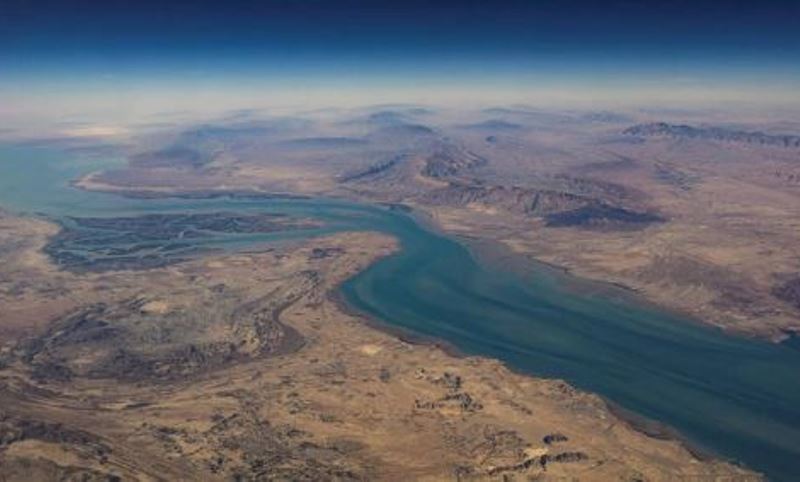
Global maritime trade is facing fresh disruption as commercial vessels increasingly avoid transiting through the Strait of Hormuz following renewed United States military strikes and escalating regional tensions.
Shipping industry sources said several tanker operators, container lines, and bulk vessel owners have begun rerouting or delaying voyages through the strategically vital waterway due to heightened security concerns. The Strait of Hormuz is one of the world’s most critical maritime chokepoints, handling a substantial share of global crude oil, LNG, and petroleum product shipments.
The renewed tensions have intensified fears of potential attacks on commercial shipping, disruptions to navigation, and rising operational risks across Gulf trade routes. Maritime security agencies have reportedly advised vessels to adopt enhanced security protocols while transiting nearby waters.
Industry analysts warned that reduced vessel traffic through the strait could tighten shipping capacity, delay cargo deliveries, and push up freight and insurance costs. War risk premiums for ships operating in the Gulf region have already risen sharply as insurers reassess exposure to geopolitical instability.
Energy markets are also closely monitoring developments, as prolonged disruption in the Strait of Hormuz could affect global crude oil and LNG supply chains. Several import-dependent economies in Asia rely heavily on energy shipments moving through the corridor.
Shipping companies are increasingly evaluating alternative routing strategies and adjusting sailing schedules to minimise exposure to conflict zones. However, rerouting vessels can significantly increase voyage duration, fuel consumption, and overall transportation costs.
The latest developments add further pressure to global supply chains already dealing with congestion, volatile freight markets, and security concerns in other major trade corridors, including the Red Sea and Black Sea regions.
Trade and logistics stakeholders cautioned that sustained instability in the Gulf could have widespread implications for international commerce, energy prices, and maritime operations if tensions continue to escalate.